We did it.

The buildings, the benches, the trees, the lampposts, the sculptures…

The strolls, the votes, the traffic, the enthusiasm, the games, the apathy…

This is public space. A display of society’s priorities, neglect, wishes, horrors, and beauty. And yet, we do not think that we have any control over it. It appears too vast, too complex, more like a natural phenomenon than something we created. But we did, and we must do it over and over again, because if we don’t someone else will.

Public space is a human right, it is where individuals become a society. To achieve its full potential, public space must embed itself in the everyday while at the same time cultivating the extraordinary. Through this clash public space emerges as a tool for democracy. It becomes a social incubator in the hands of its citizens. This can only be achieved if everyone is included in the process, be they human or not.

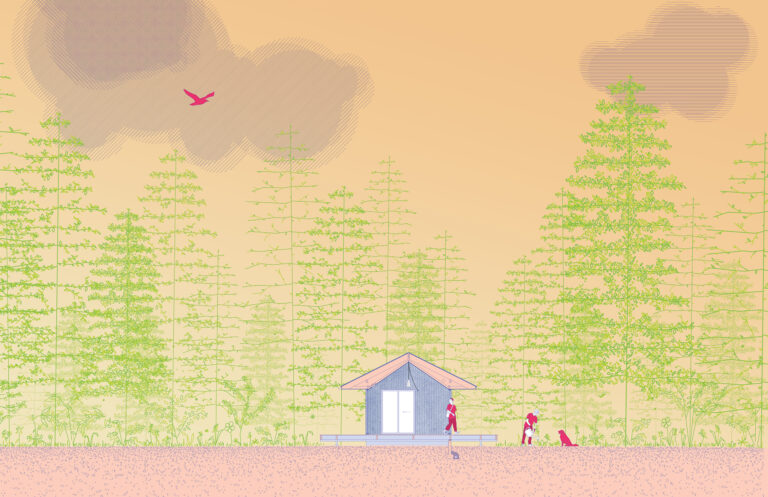
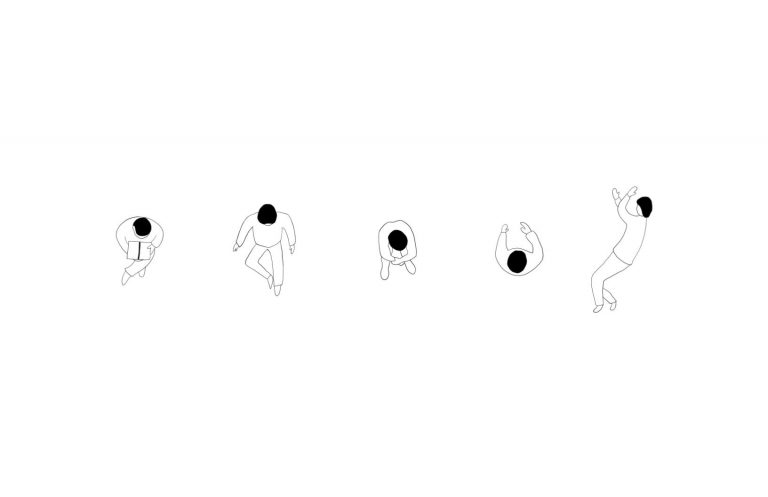
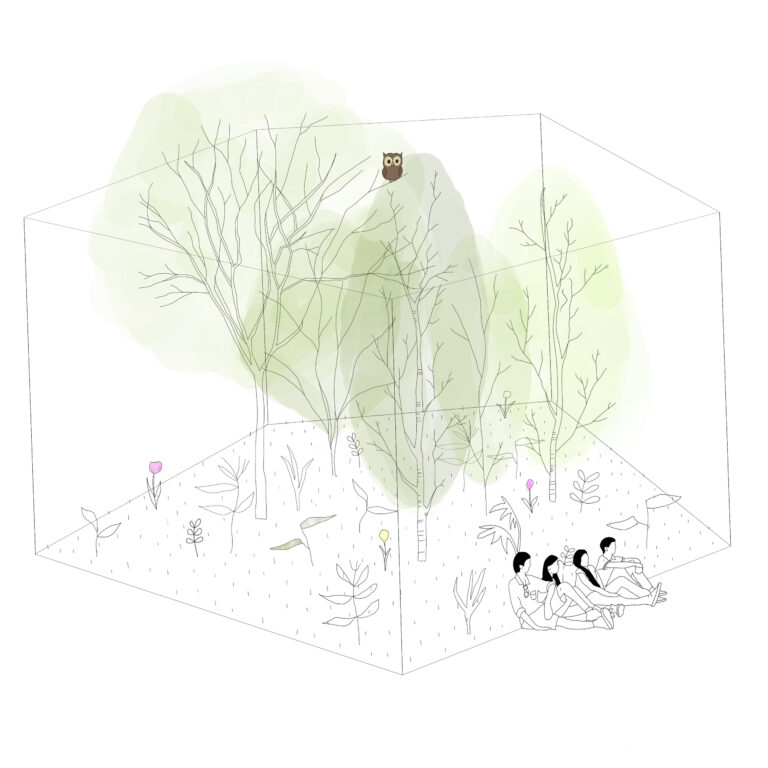
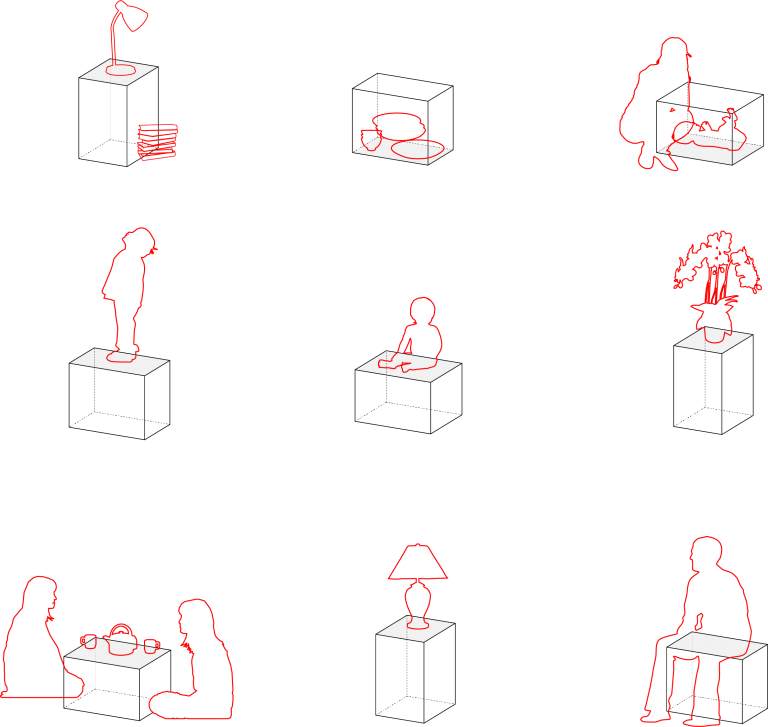
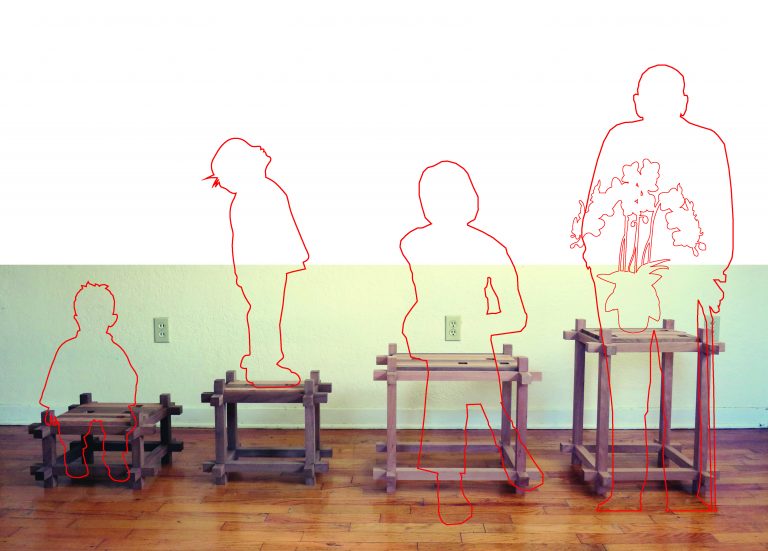
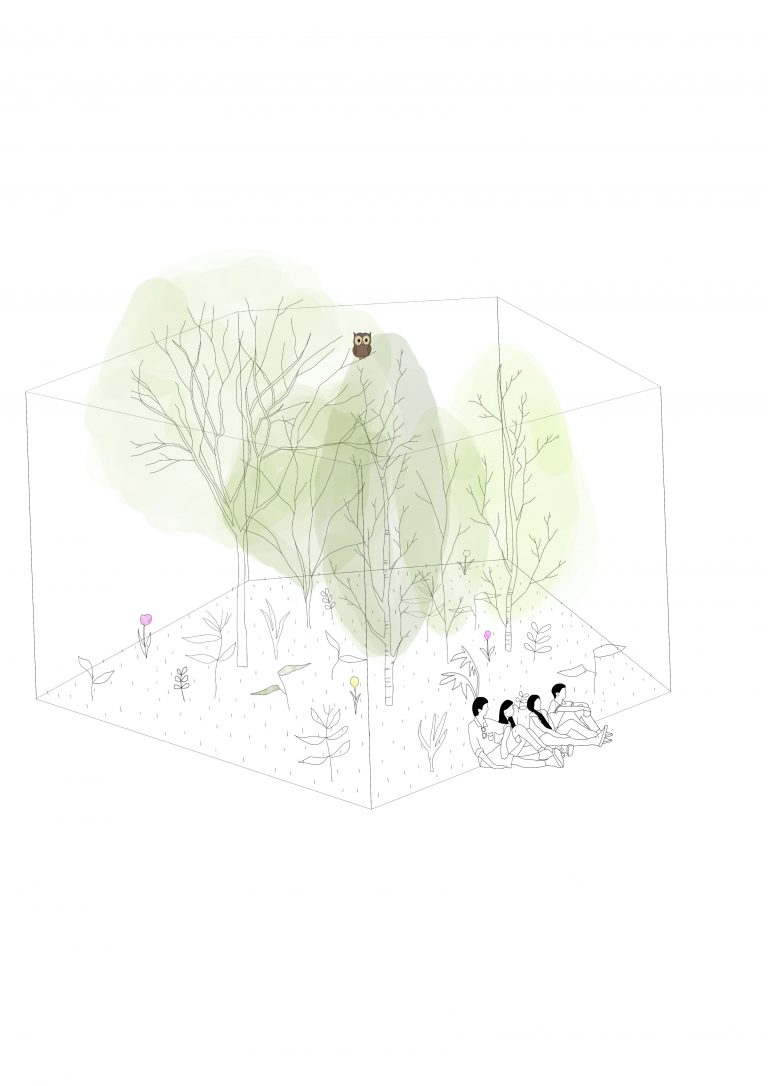
We must not confuse “everyone” with “universal” solutions. On the contrary, we must create highly specific environments which cater to a 1000 people dancing at a concert, and to a single person taking a stroll. Public space must create a sense of belonging for Kari, and Alex. It must welcome Jon, Macej, Anne, and Eva, as well as Hilde, and Ida. It must include Barbara, and Dave, Halima, and Lars. It must embrace Fleur, and Svein, a Birch tree, and an owl. It must let people live their normal lives, and it must disrupt them. It must be the place where we create together.

Art takes on the role of the agitator. It wedges itself in our routine and gives us a time and a place to engage each other, and our environment. Out task as a society is to create the conditions of everyday life which allow for the ordinary and the extraordinary to meet.


Aghhhh, we are out of milk again. Where are you? Come here, we have to put your shoes on!
Look at this. I want to show you something.
We are going to be late for school!
Just two more minutes dad! I have to finish something!!!
What is that? What is that, dad?
What is what?
That over there! Over there! Over there!
Where is it? Can you tell me what color it is?
It’s the bird, over there!
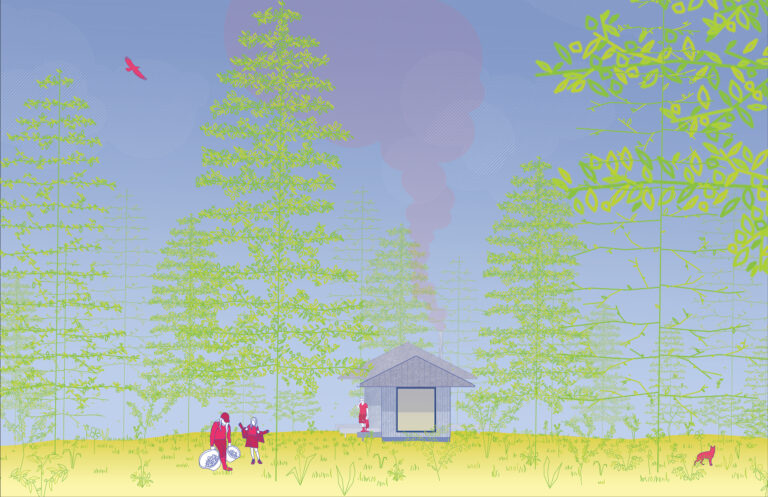
Oh wow! That’s an owl. I don’t think I’ve ever seen an owl in the city. Isn’t it beautiful Kari? Look at those eyes!
It is beautiful. What is an owl?
It is a very smart bird that is awake at night. Now come on, your friends are waiting. Go in.

Are you ready? Should I heat up my lunch?
Yeah, I’ll be right there. Just sending something out.
Where should we eat? It’s such a nice day.
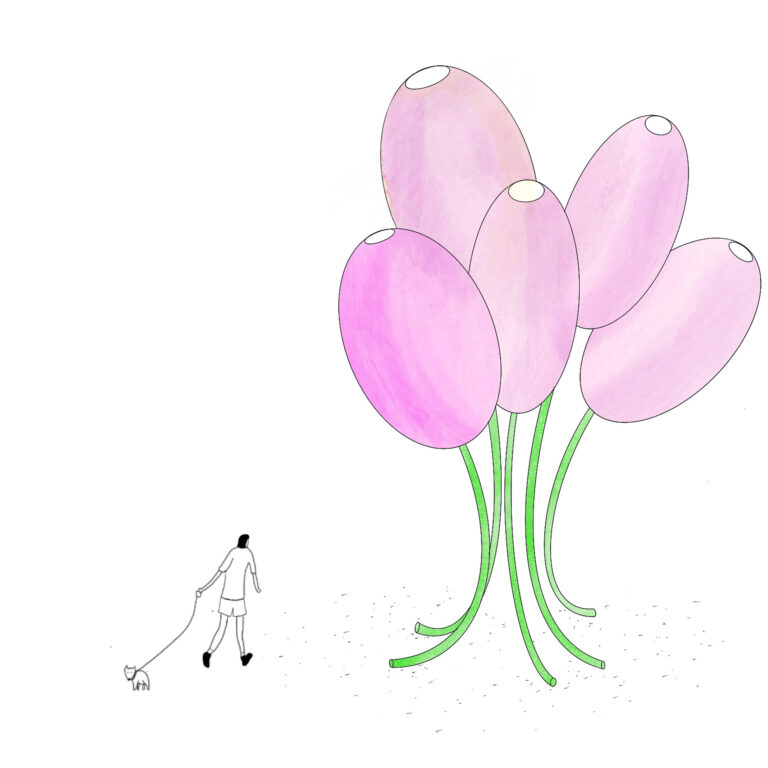
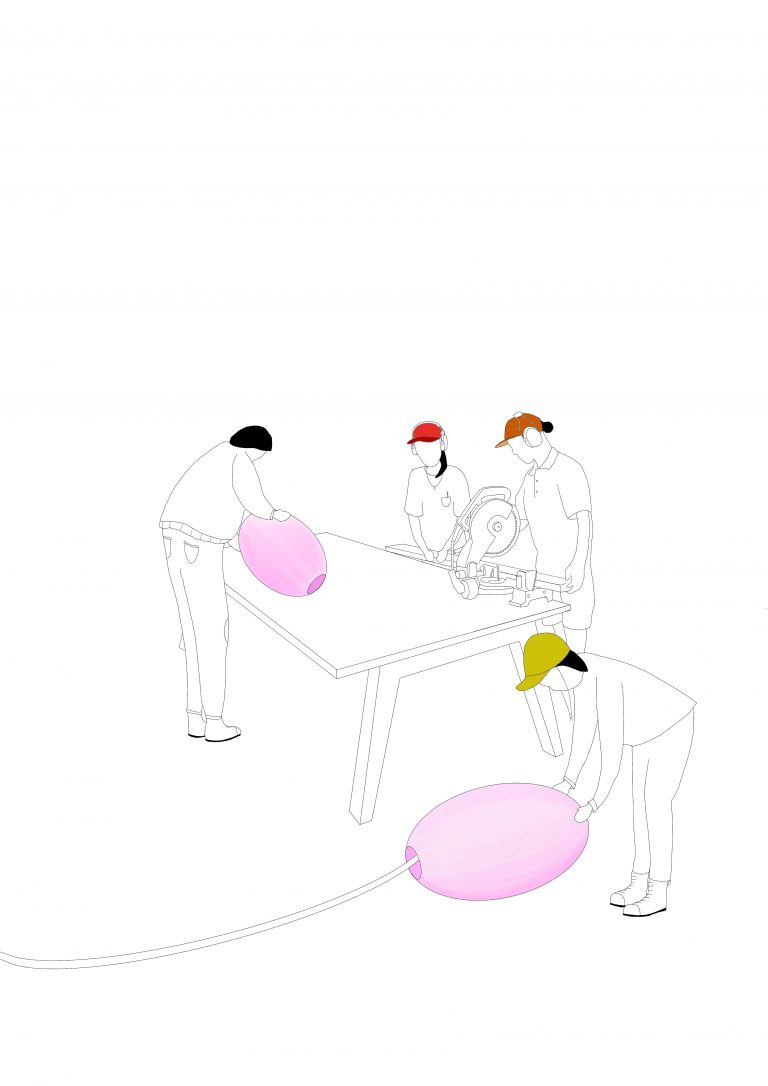
I saw this crazy looking pink flower sculpture over by Musegata this morning. Let’s go check it out.
Sounds great. I am hungry. How is the boat thing going?
Oh fine. They just keep making more and more demands, but it’s ok.

The neighbors came out, and we chatted for a while. Most cars turned around confused.

The phone! I hope it’s not one of those damned telemarketers.
Hey darling! How are you doing?
Oh Hilde, it’s you! I am good, I am good. The knees, you know. But enough about that.
Listen, I saw in the newspaper some artist is building a sculpture on the waterfront. It said anyone can come and help.
Why don’t we go tomorrow, after our tea?
Oh sure, why not.

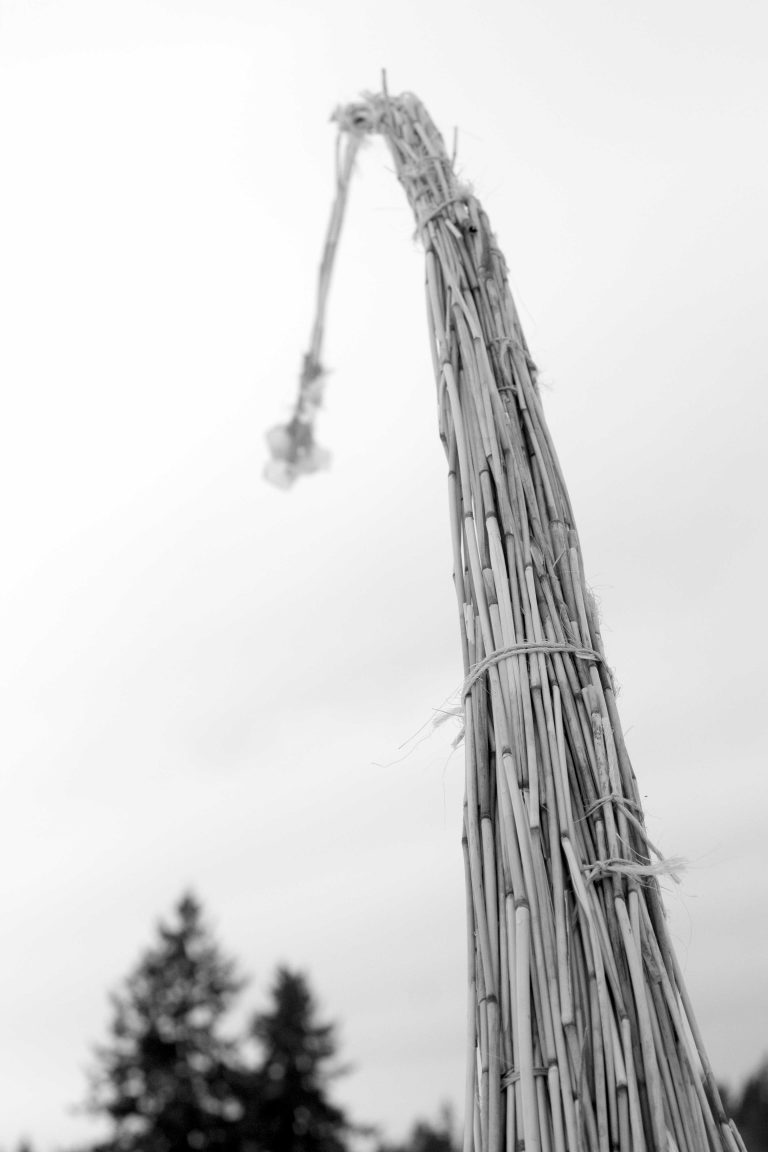
It was a call to imagine a different urban landscape, one not dominated by the car, and the technocratic language of efficiency.

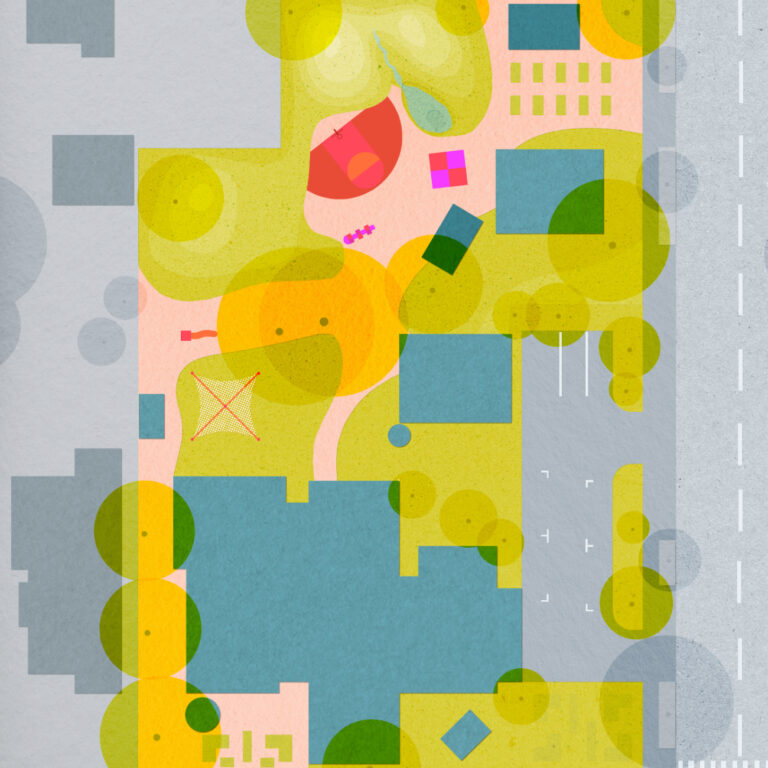
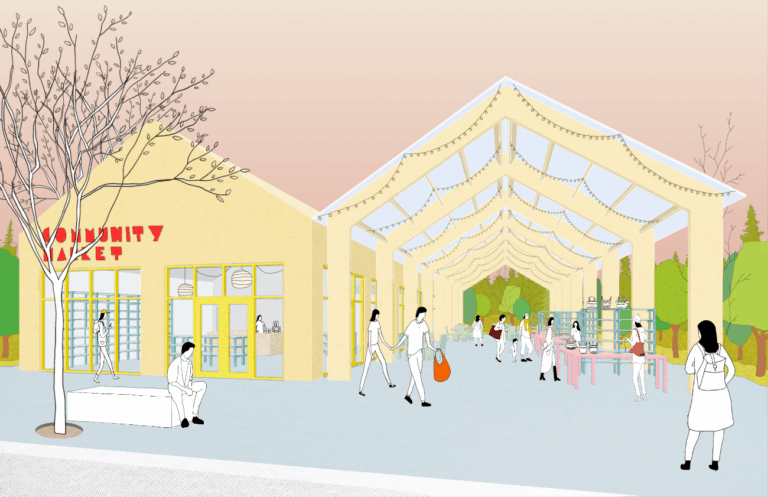
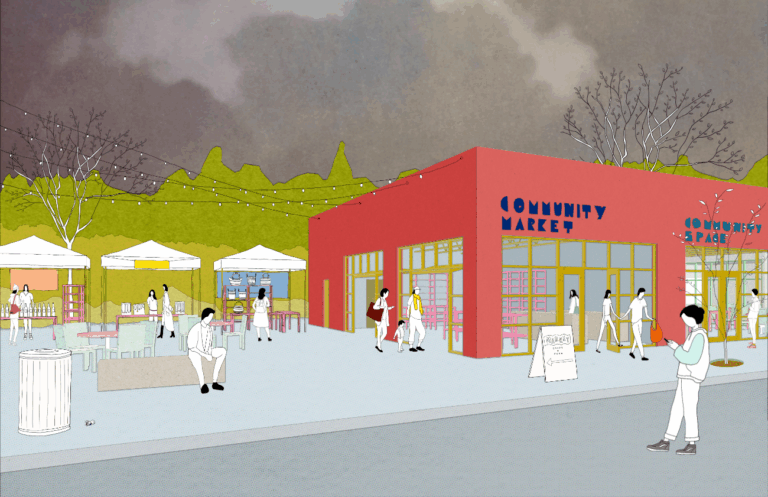
The city of Tromsø (Norway), as part of their waterfront redevelopment plan, put out a call to artists, architects, makers, and performers to propose a laboratory as a locus of collaboration between the public, the site, and future activities and events.


The world didn’t end.

We wanted to question the way we use the city today, and where do we chose to allocate our shared resources.

I need to send the text. See you tomorrow at the corner!!!
Hey, how is it going?
Good, just tired. History class is killing me.
Oh I know! Mrs Tove is a pain in the ass. Where is everyone else?
Anne texted me saying she is finishing up at home. Did you see the new Billie Eilish video? It’s crazy!
There is Jon. Run man!!! Check this out!
Coming! Coming! Where is Anne?

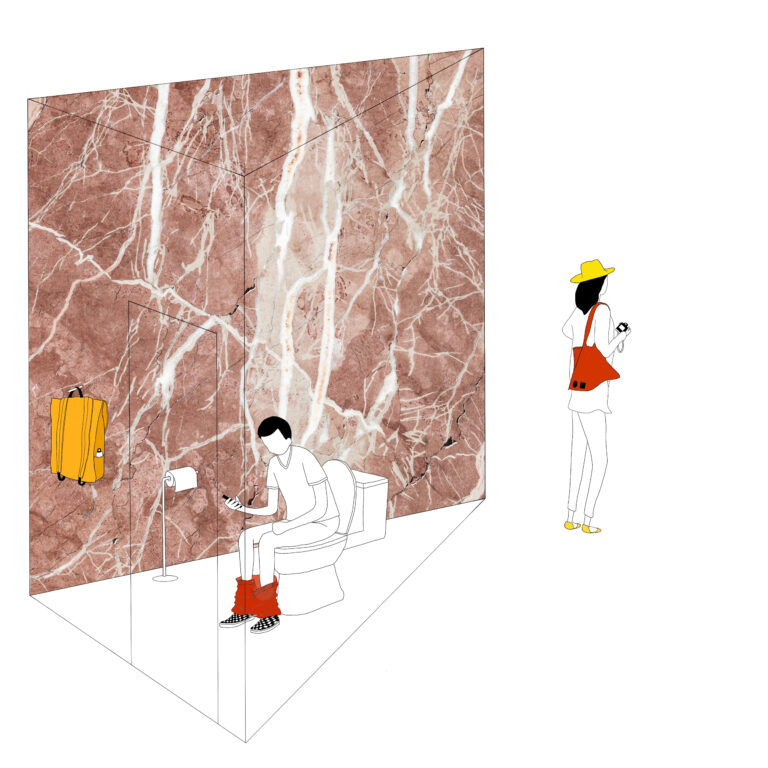
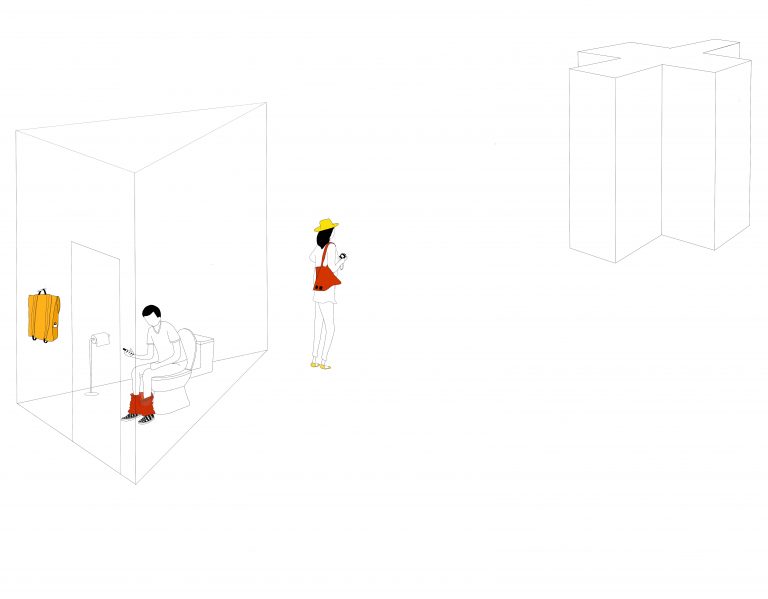
Oh, thank god! I really had to go. I know no one could see me, but it still felt weird to poop right in the middle here.
Hahahaha! Oh, come on. Let’s see what’s going on over there.

Who gets to participate in the Waterfront Laboratory?

Everyone!!!

That sounds beautiful, but is it really true?

Participation is certainly the act of showing up, but it is also creating the infrastructure for people to do so. It is not enough to say that anyone can be part of the process, we must create a city that enables everyone to participate. If we understand art as the catalyst, and mechanism of participation, we must also create the means by which it will come in contact with the everyday lives of people.

The question then becomes, how do we create a process in which we invite those that wouldn’t normally be included? Can we expand it beyond the activists, the wealthy, the politicians, the developers? Can we include families, teenagers, immigrants, retirees, workers, tourists, and the owls?

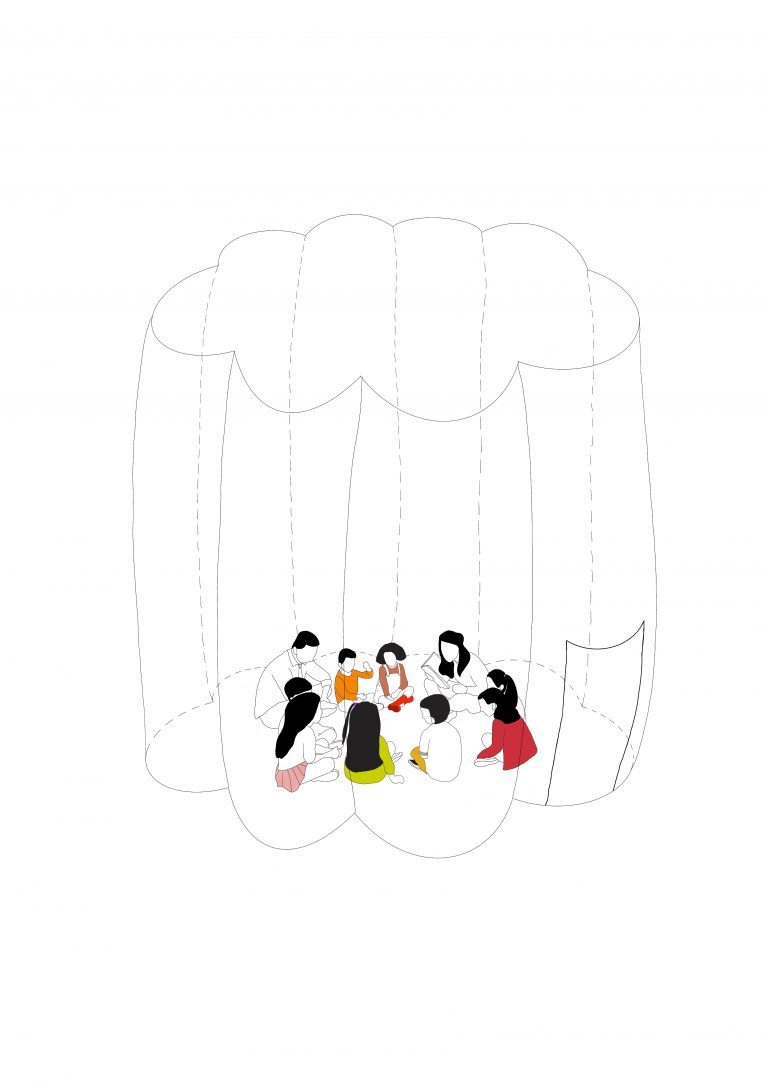
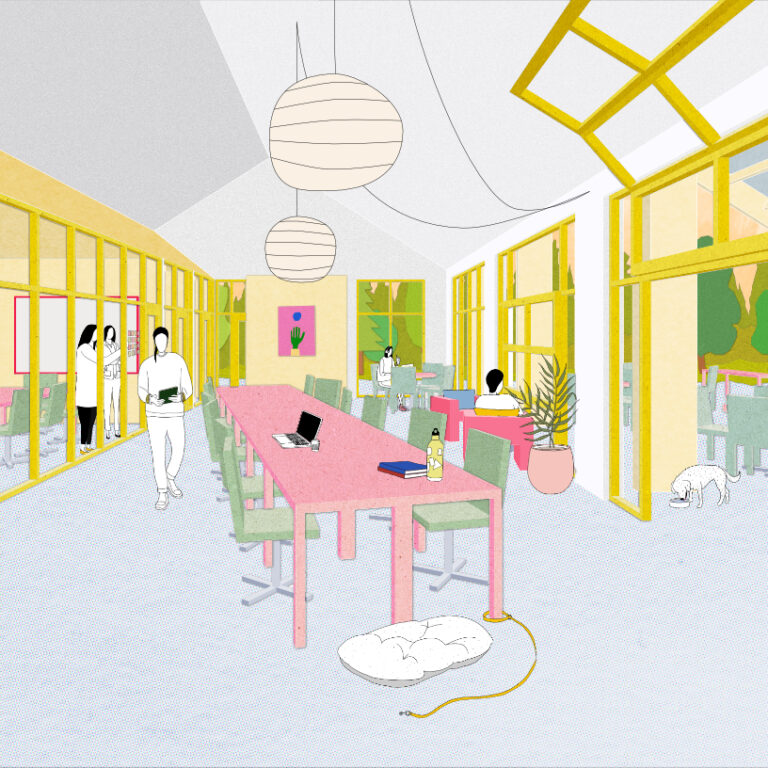
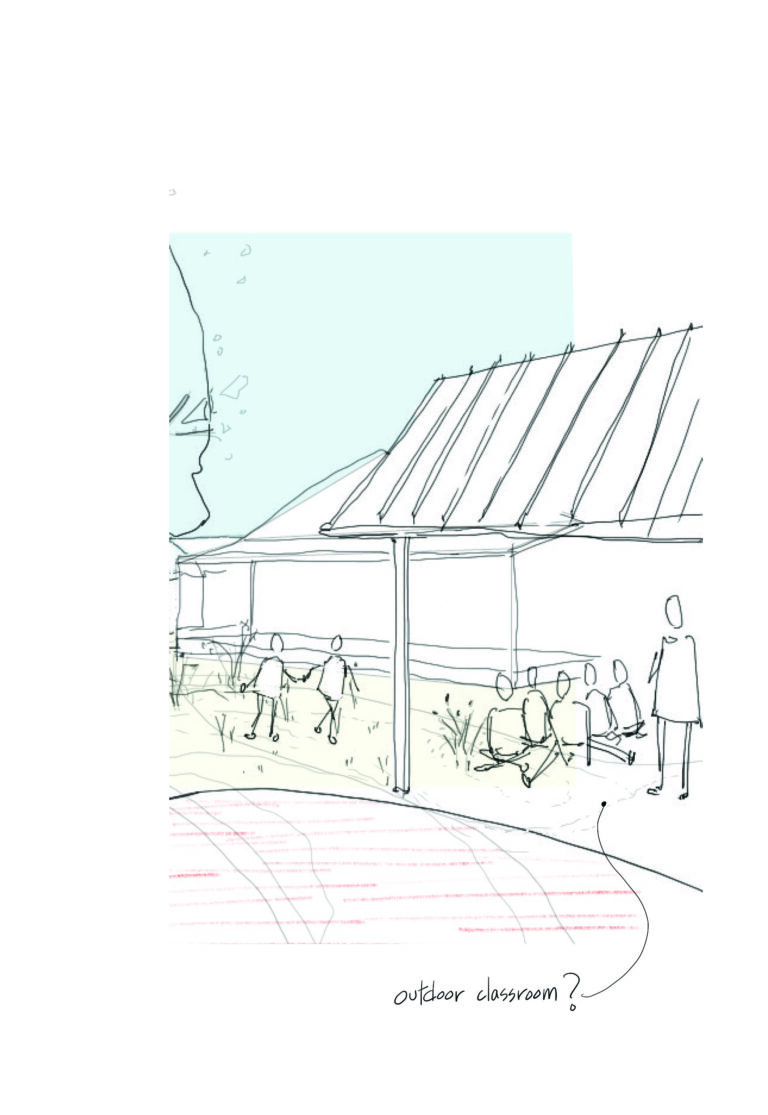
The Waterfront Laboratory must create the extraordinary, the art, workshops, educational programs, seminars, charrettes, exhibitions, where the city is not only conceived, but also created.

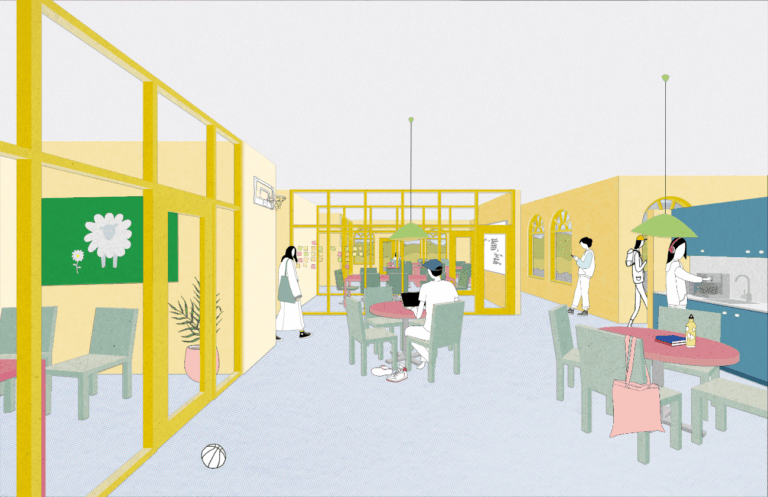
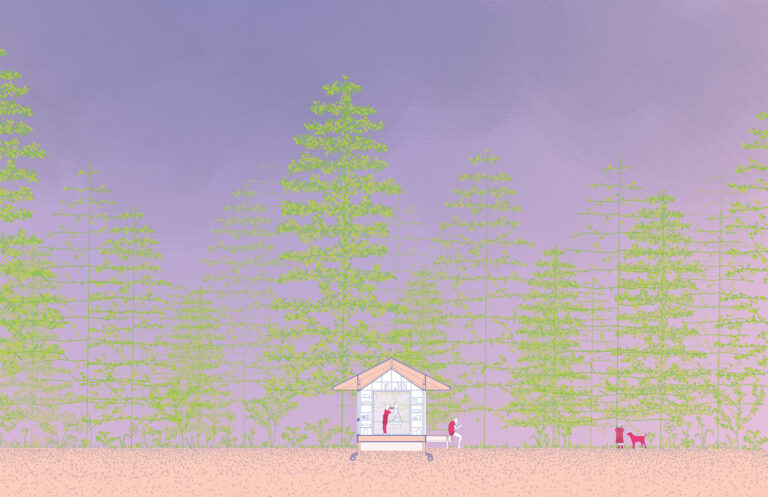
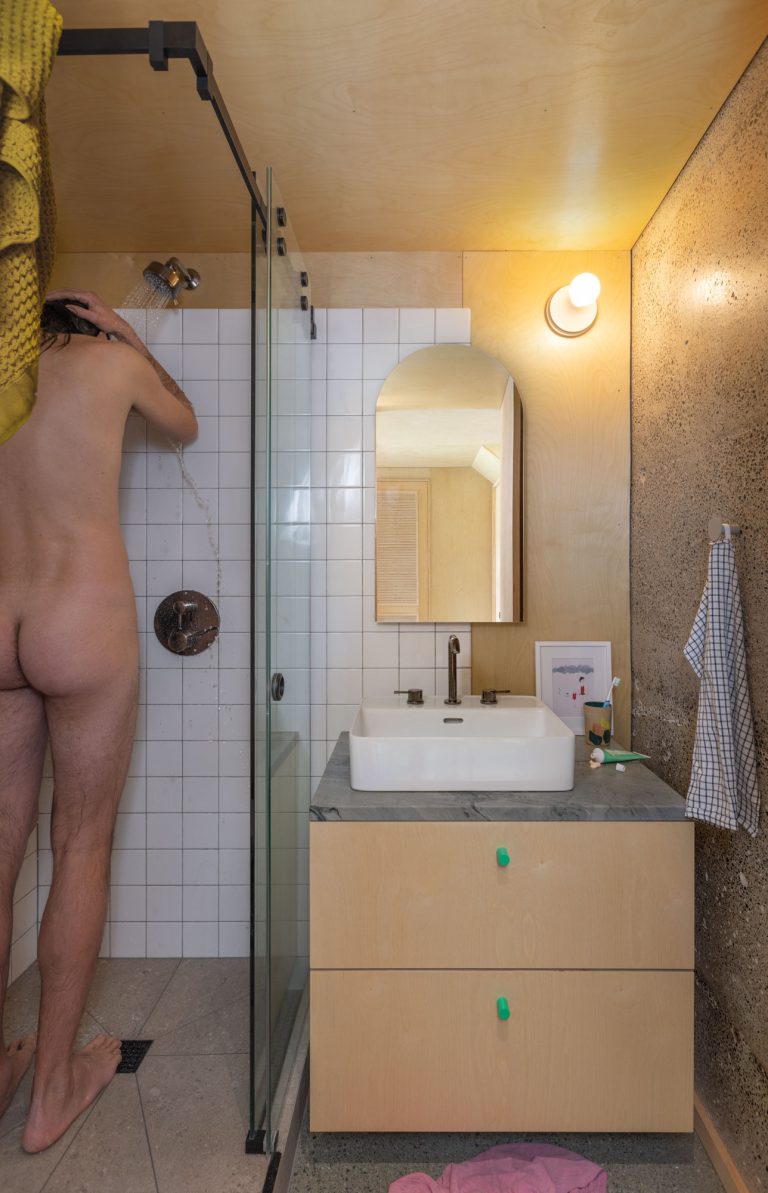
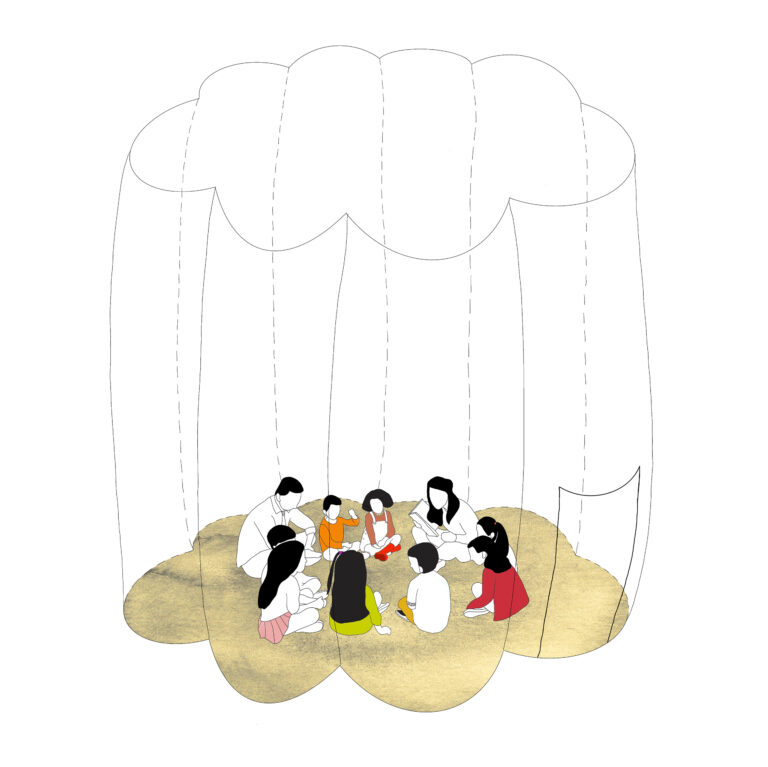
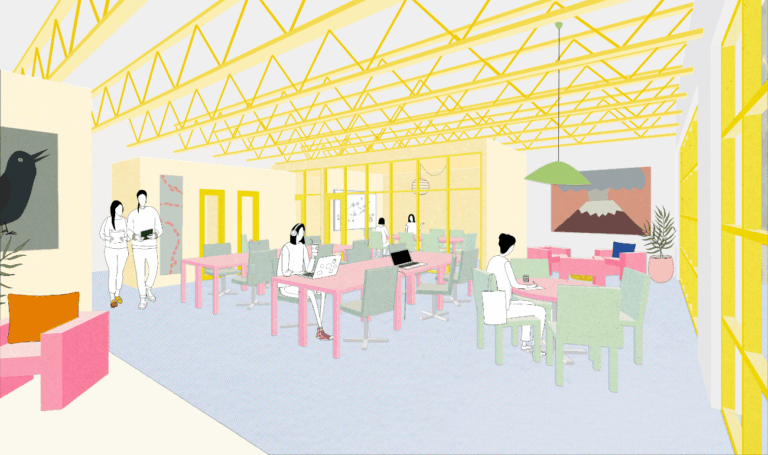
But the Waterfront Laboratory must also create the ordinary, the daycare, office, clinic, bathroom, bakery, restaurant, park, where people live out their everyday routines.

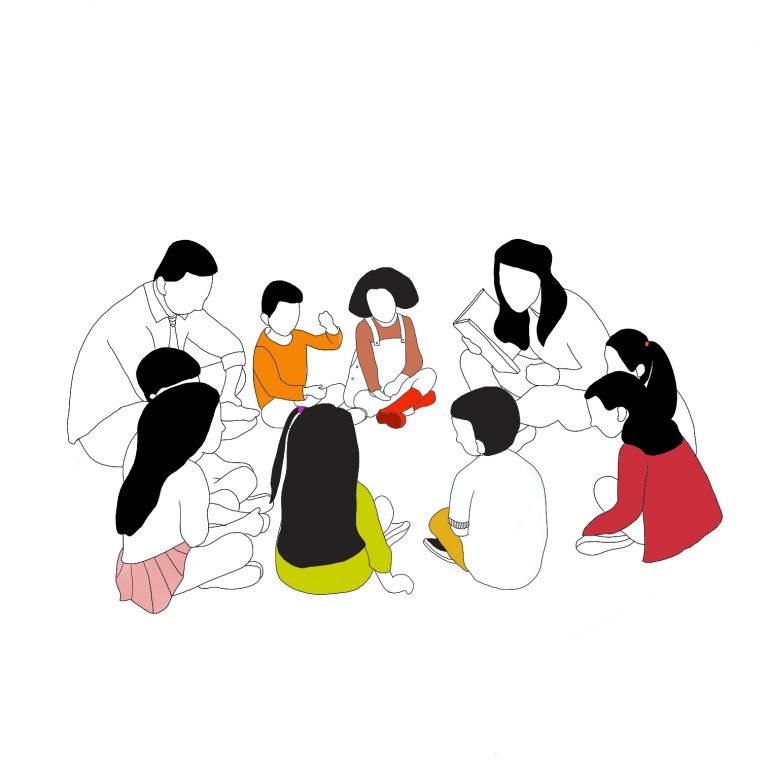
When the workshop and the daycare mix, the baker and the planer talk to each other, and the process of art becomes entangled with the lives of people, we can start to envision a more inclusive city.

At the Waterfront Laboratory the ordinary and the extraordinary clash to create a city for all.


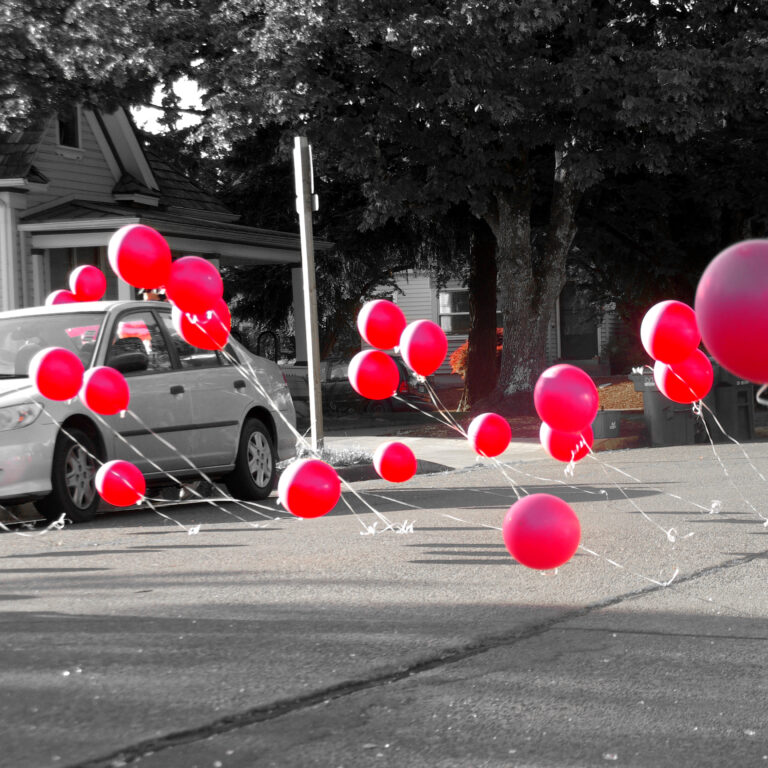
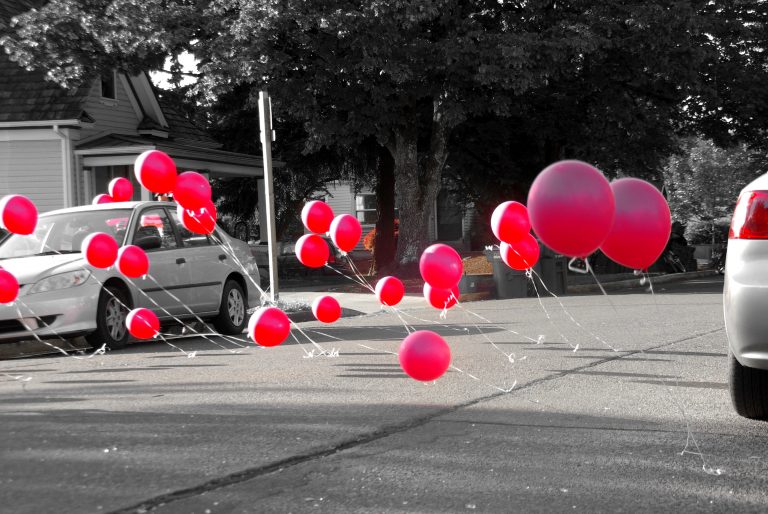
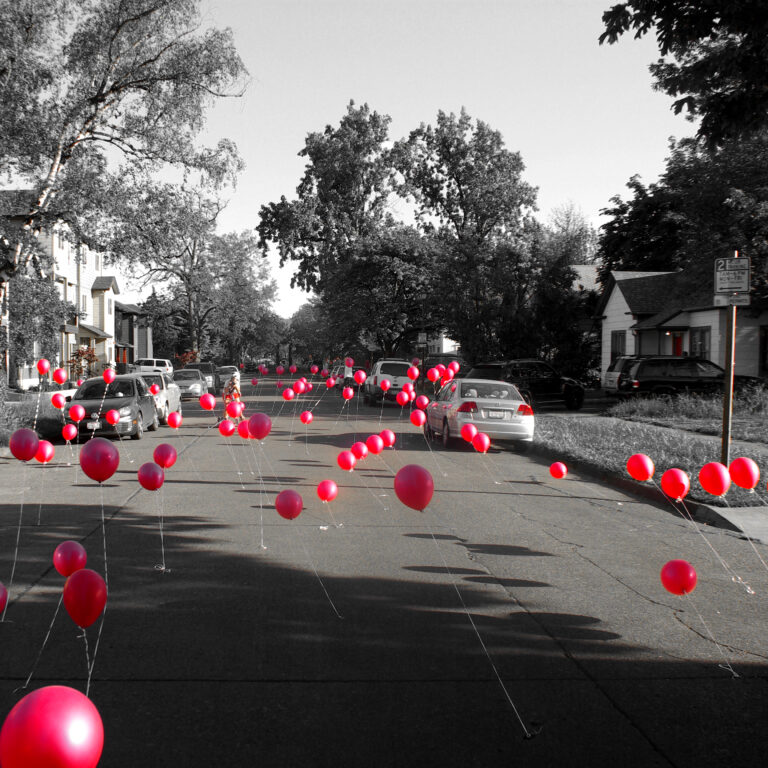
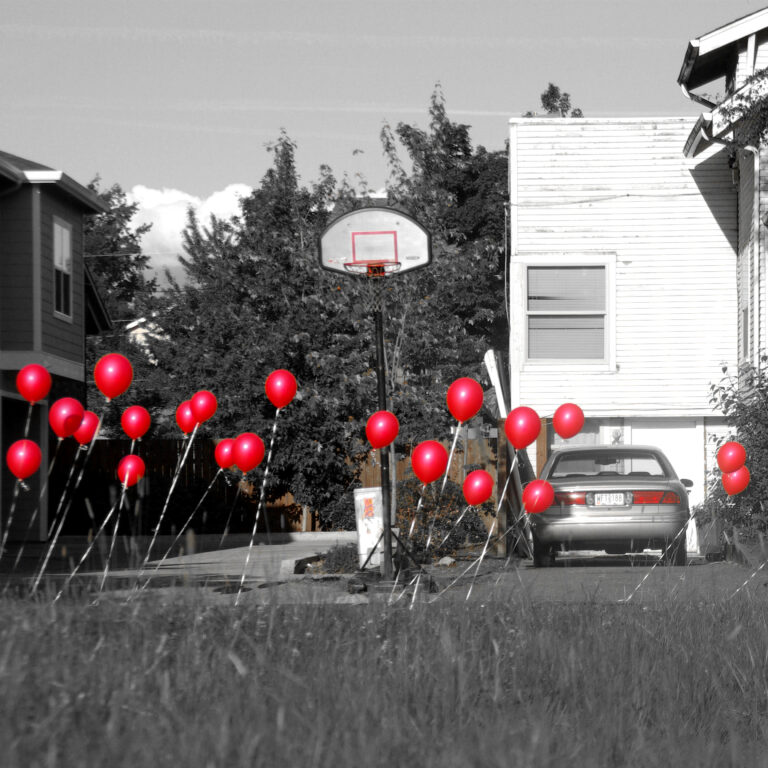
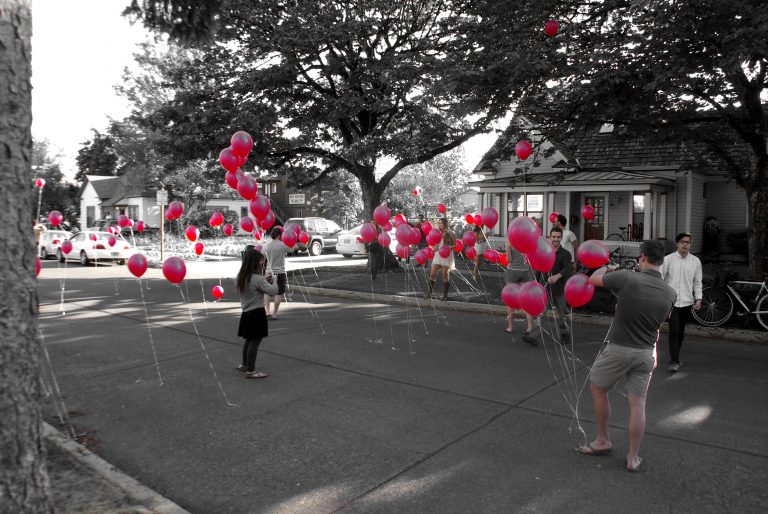
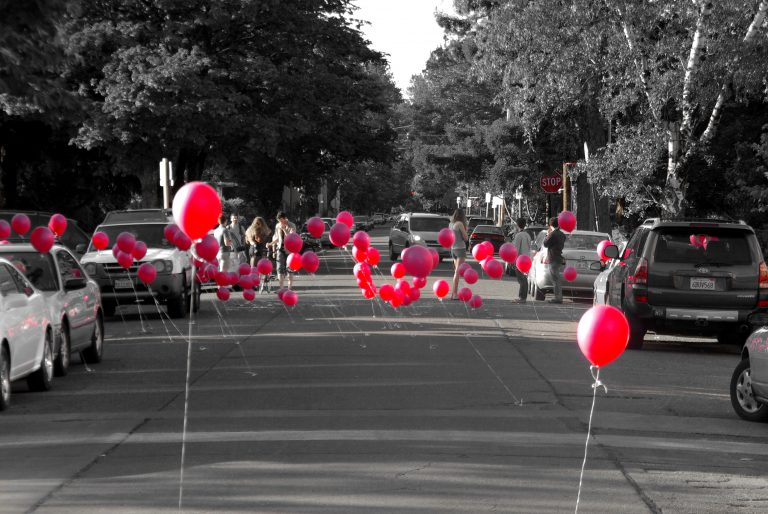
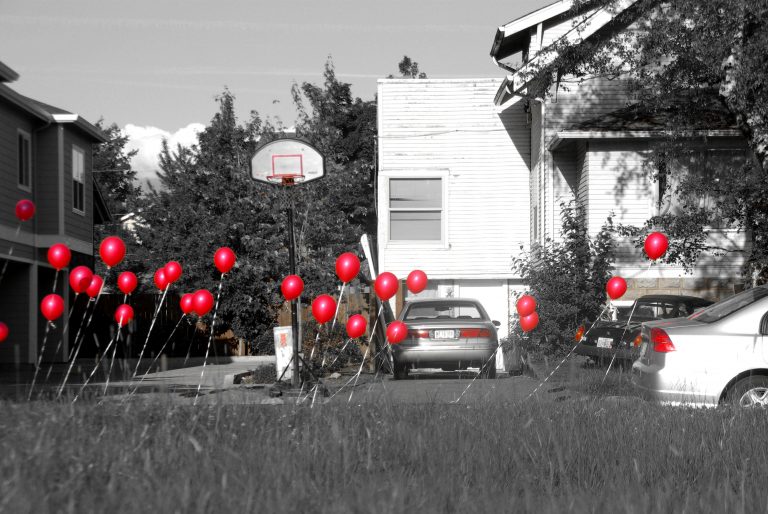
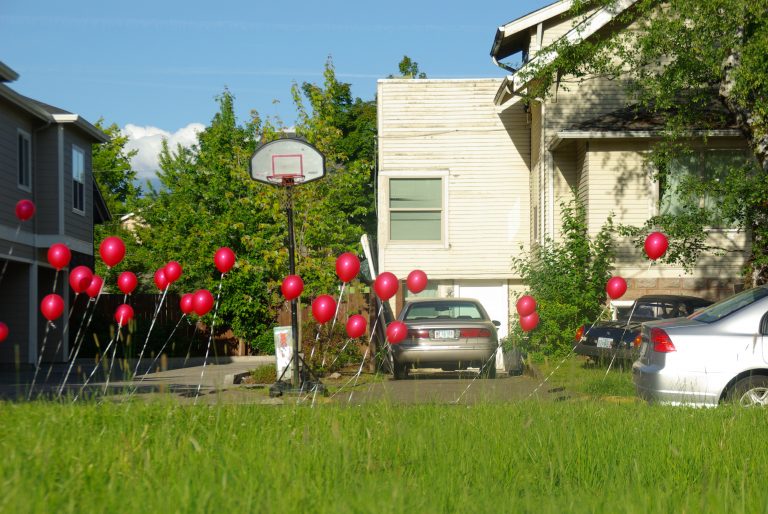
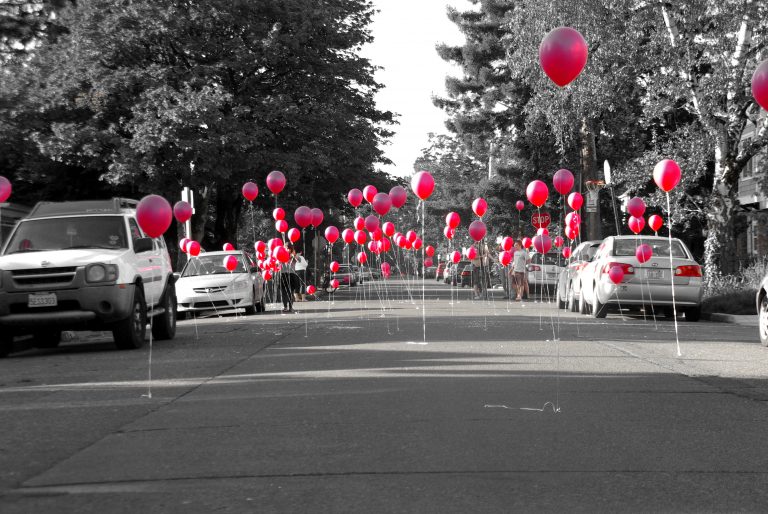
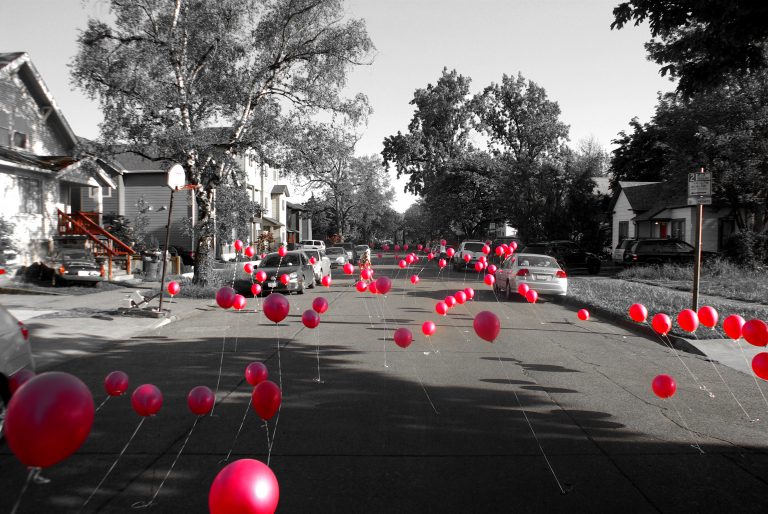
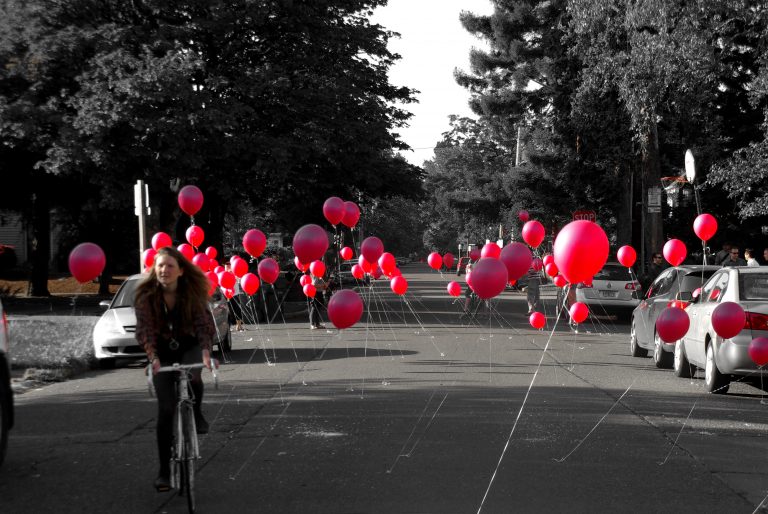
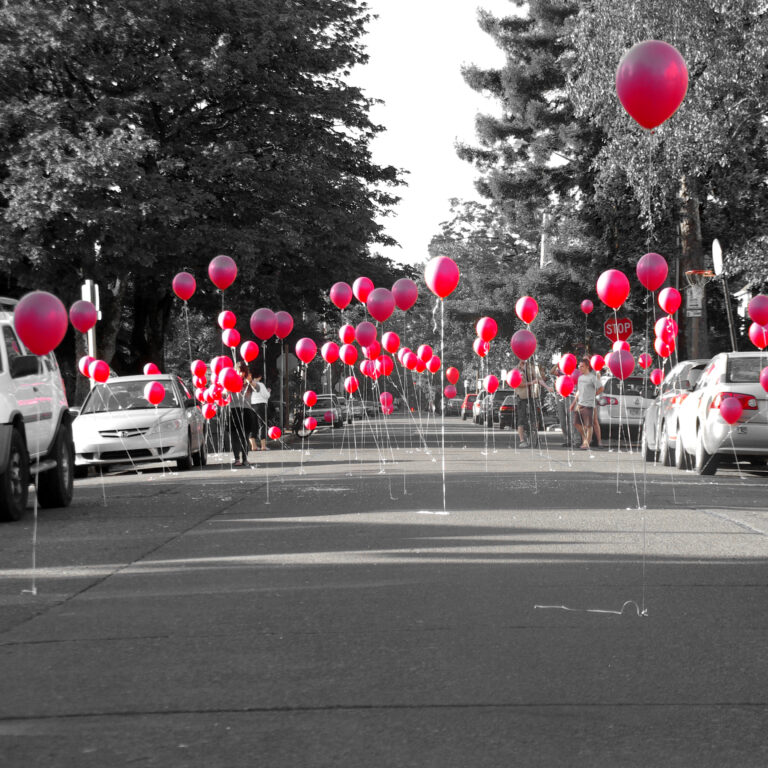
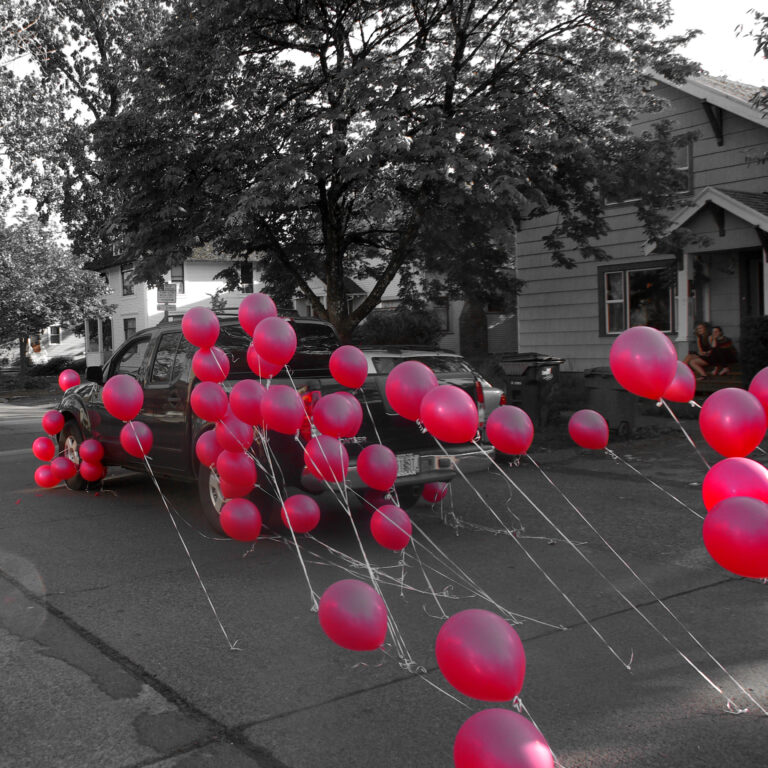
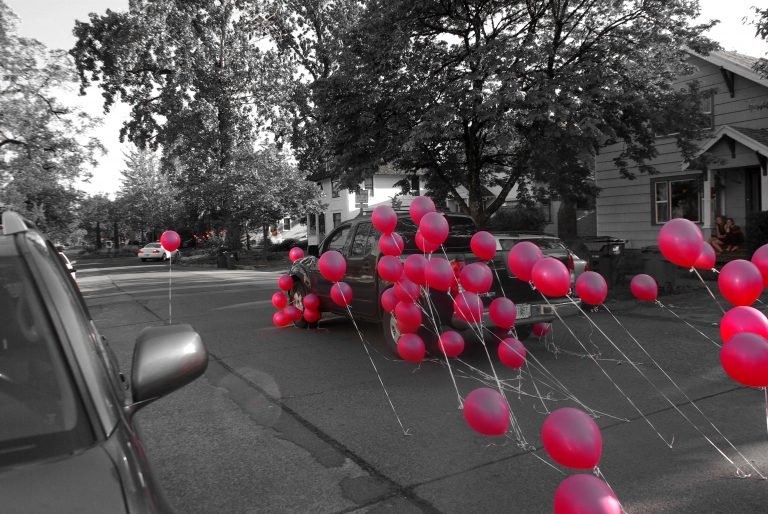
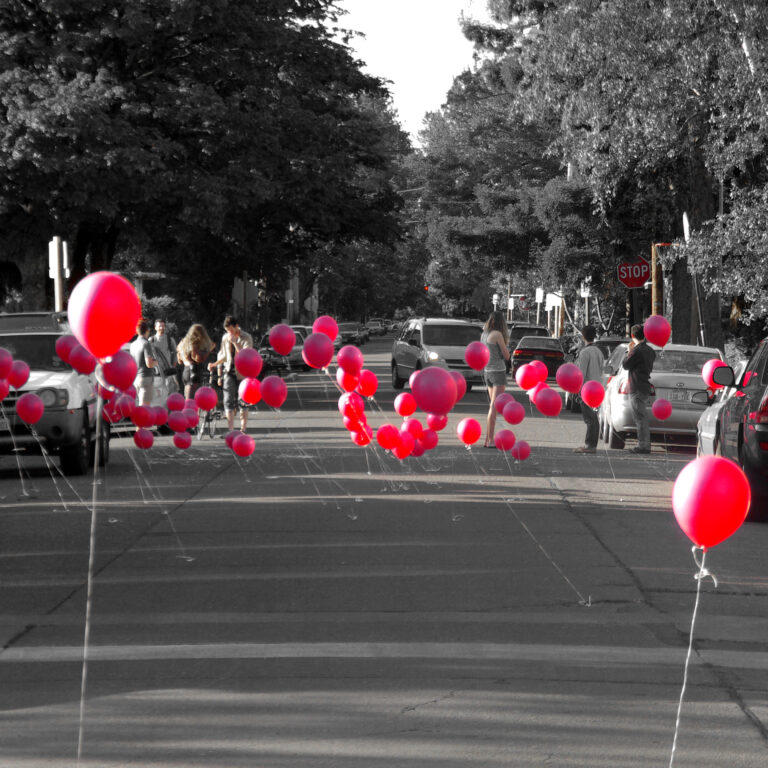
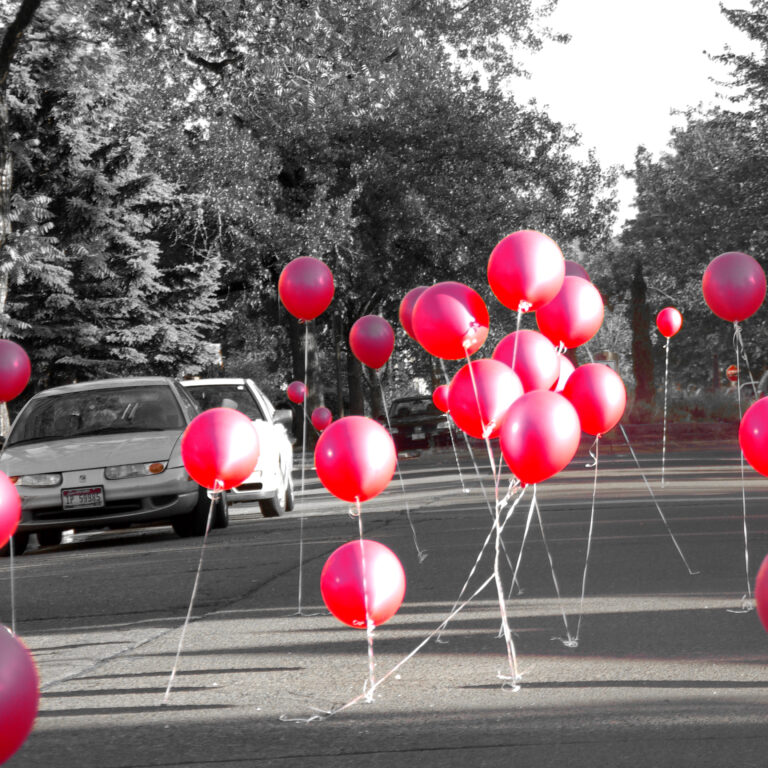
Between 100, and 99 red balloons were let loose on a street in Eugene, OR. They roamed there for an hour.


That’s perfect. It’s looking very smooth. What do you think of the color?
It’s very pink, but I guess you know what you are doing.
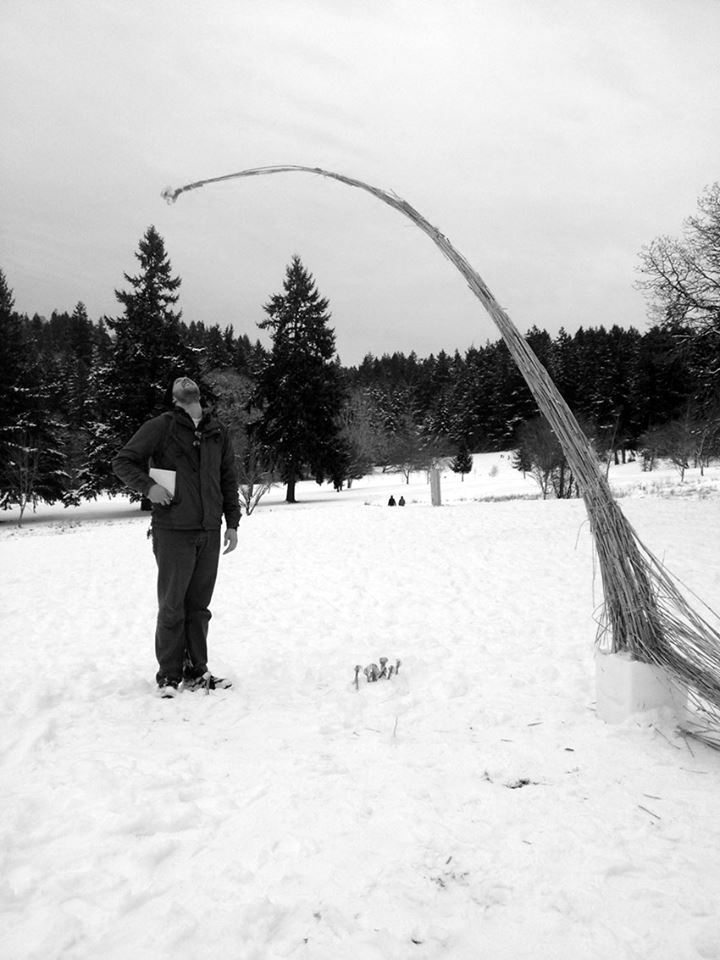
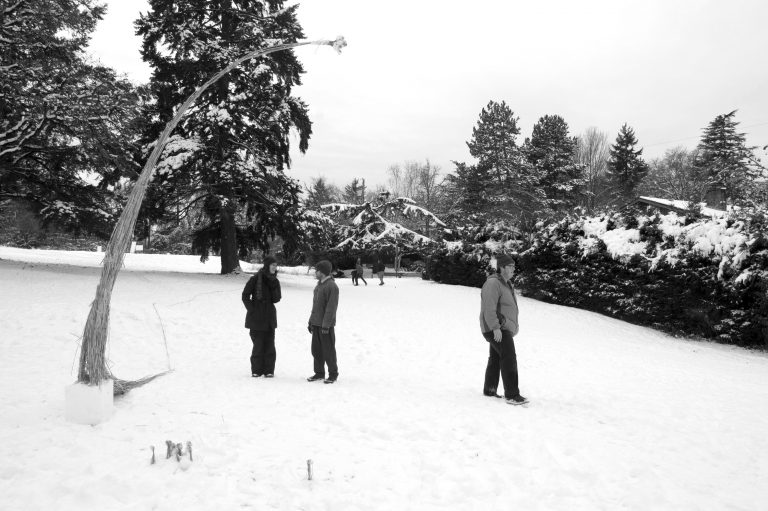
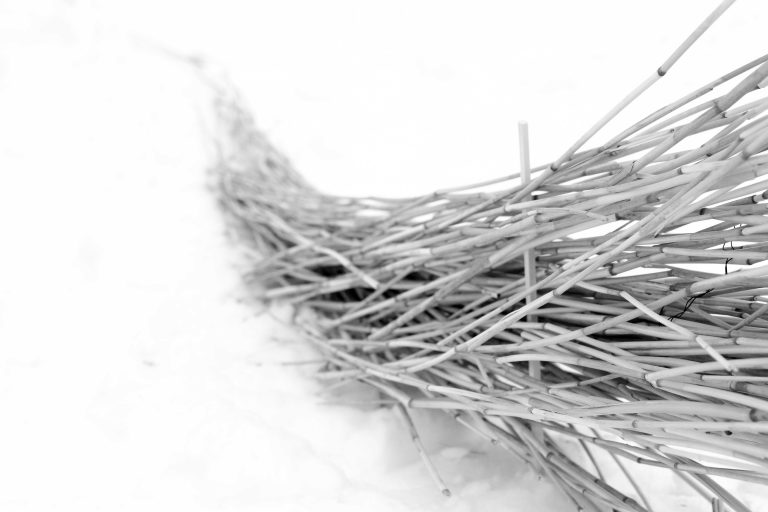
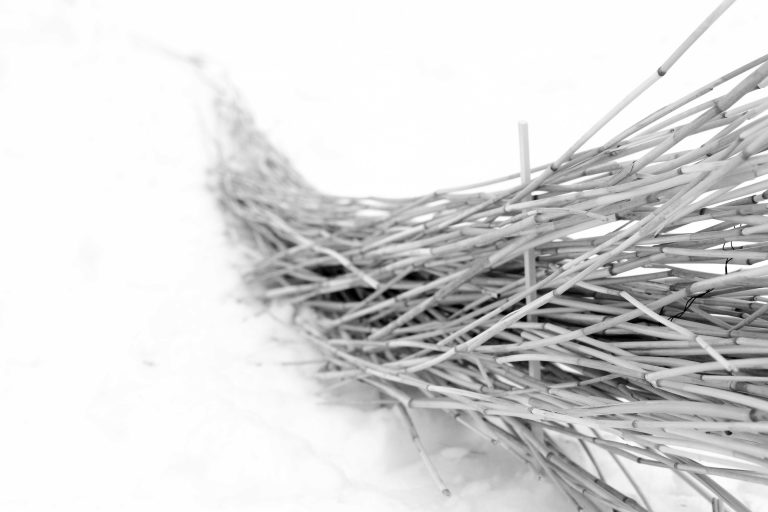
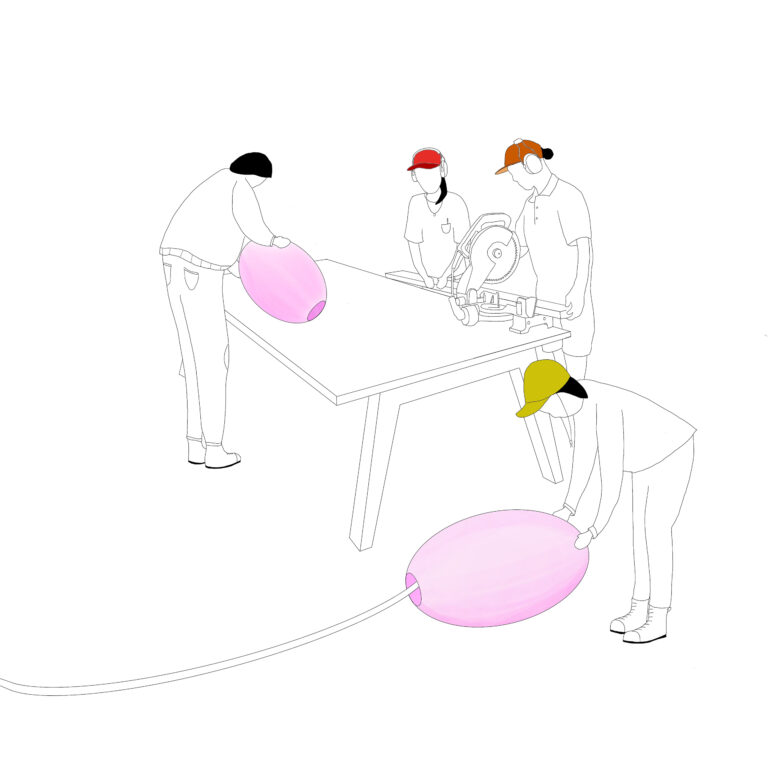
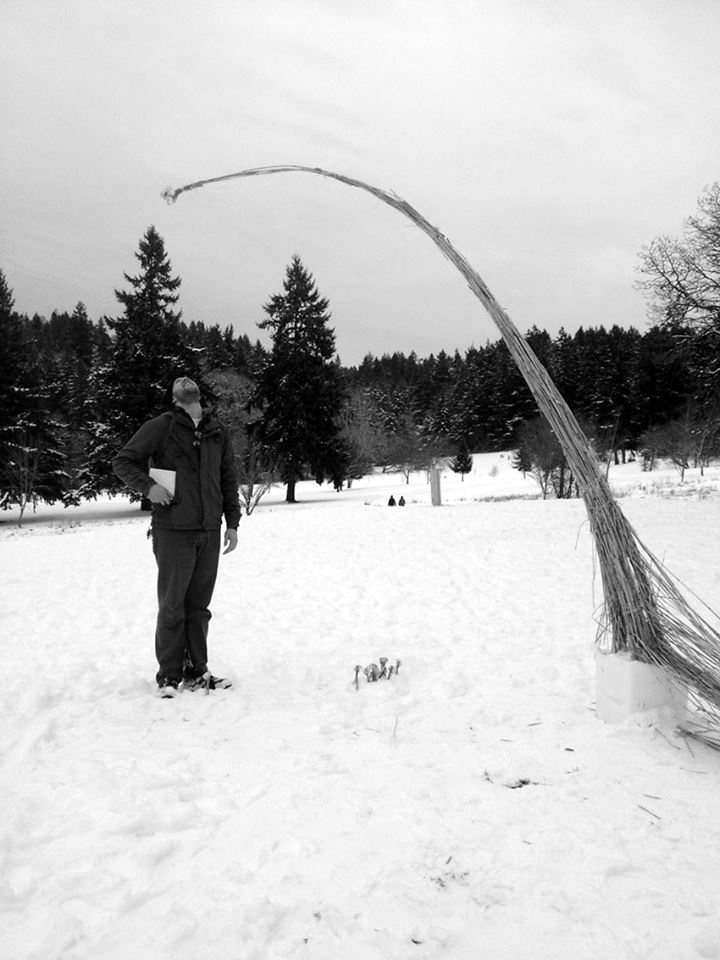
I think it needs to be very bright. It will be a bright flower in the snow. Hilde, let me help you with that, that’s a long piece of wood.
Thank you. How many more of these are you cutting?

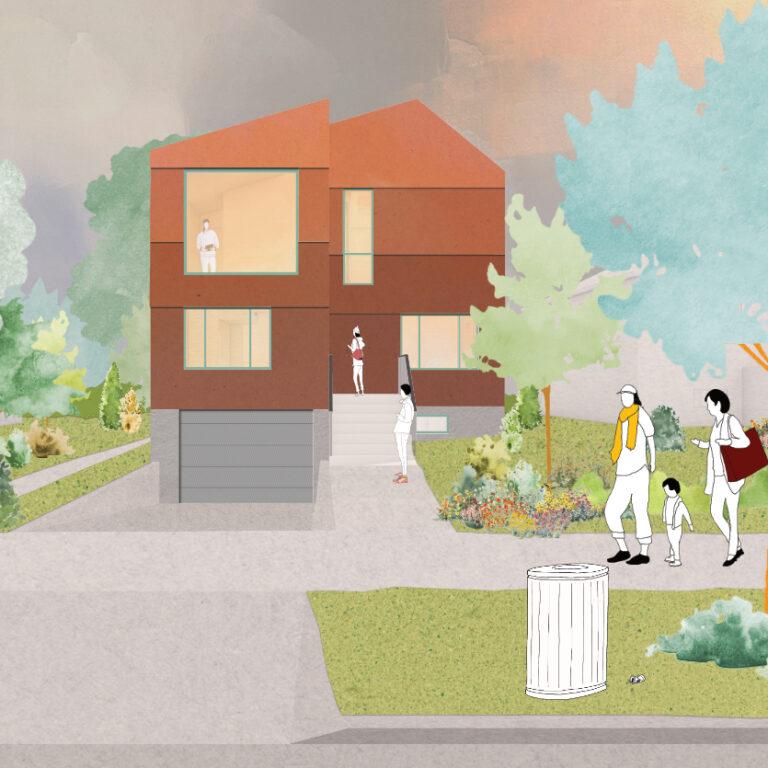
Is it radical to mandate that a new DADU built in the City of Seattle be designed to a net-zero standard?

“Yes.” The answer given by the homeowner who needs to figure out how to pay for all of this.

“No.” The answer given by the inhabitants of Isle de Jean Charles, Louisiana, the first American community to receive an allocation of federal tax dollars to move due to the effects of climate change.

“Yes.” The answer given by multi-generational homeowners looking to stay close to family but worried about the added personal costs of investing in a high performing envelope.

“No.” The answer given by pretty much every nonhuman living creature today.

“Yes.” The answer given by the City of Seattle who is trying to expedite new housing starts.

“No.” The answer given by every human in 30 years.

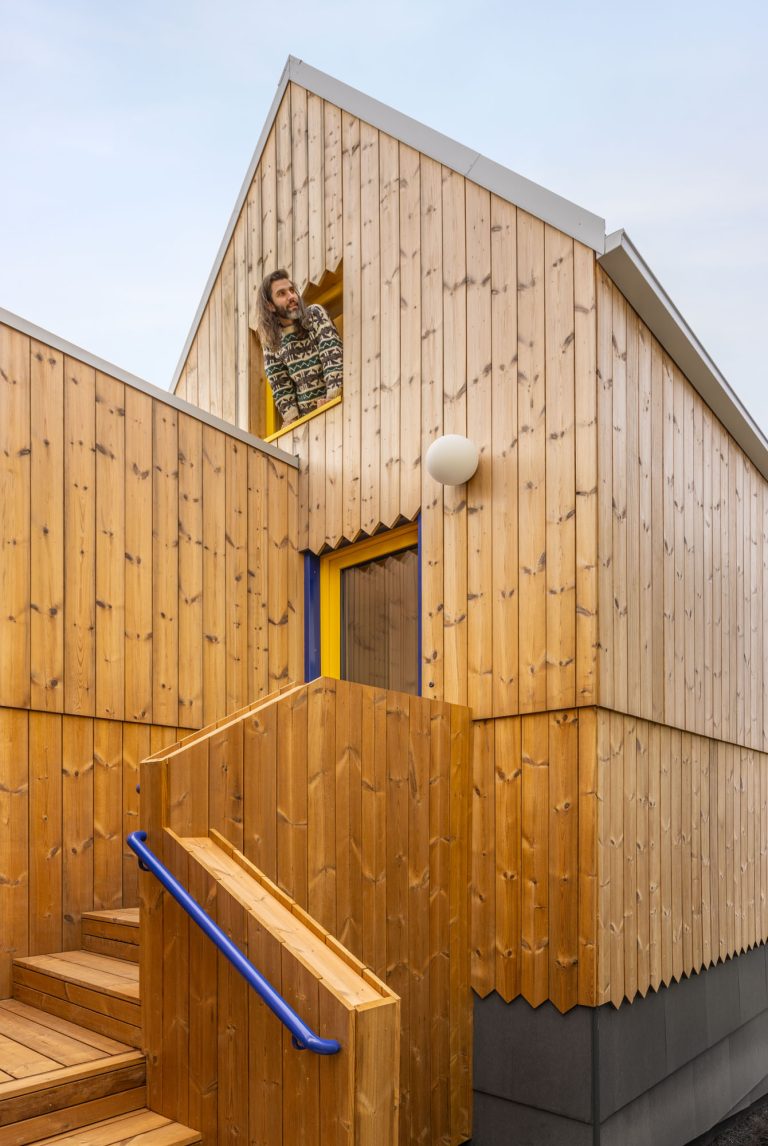
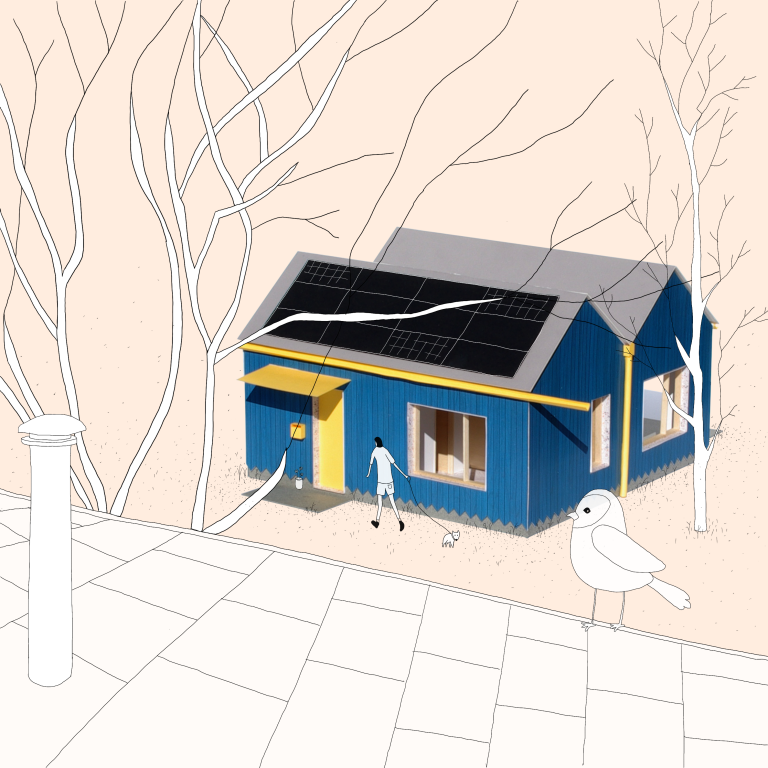
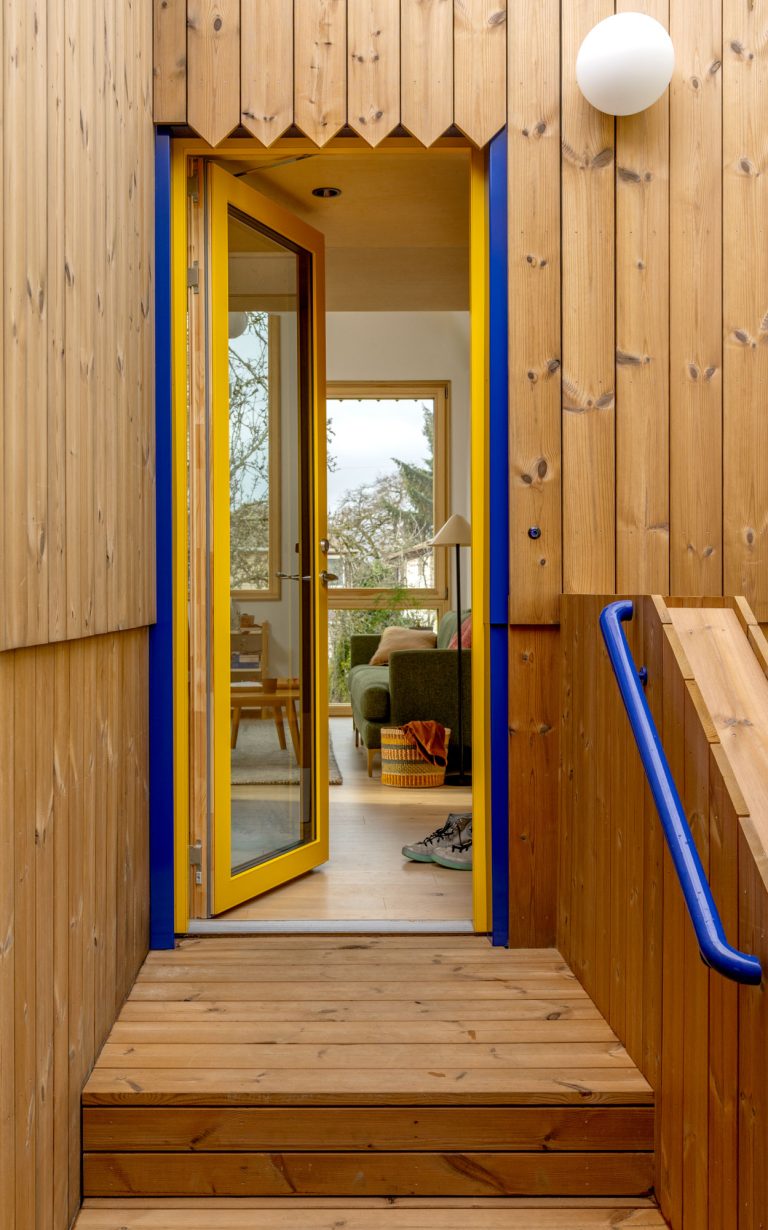
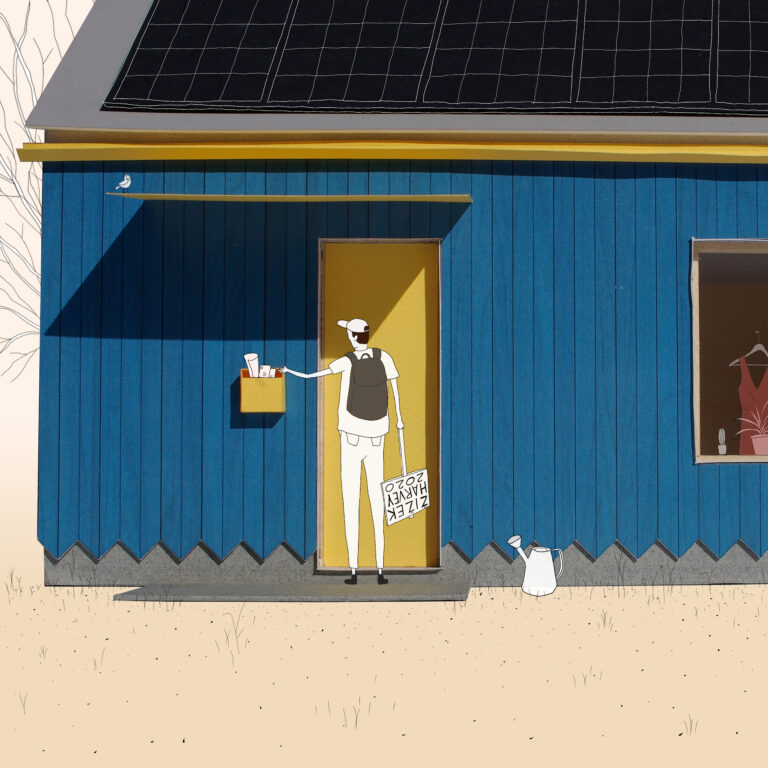
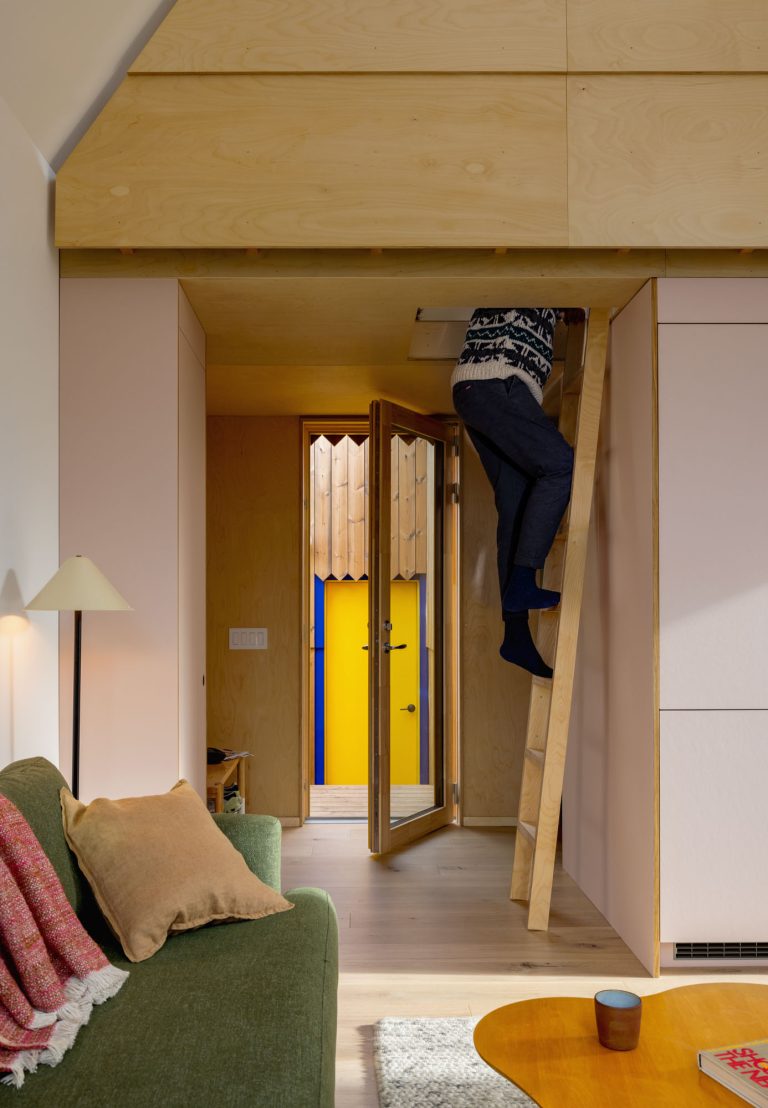
“No.” The Seattle Four Square (and its yellow door).


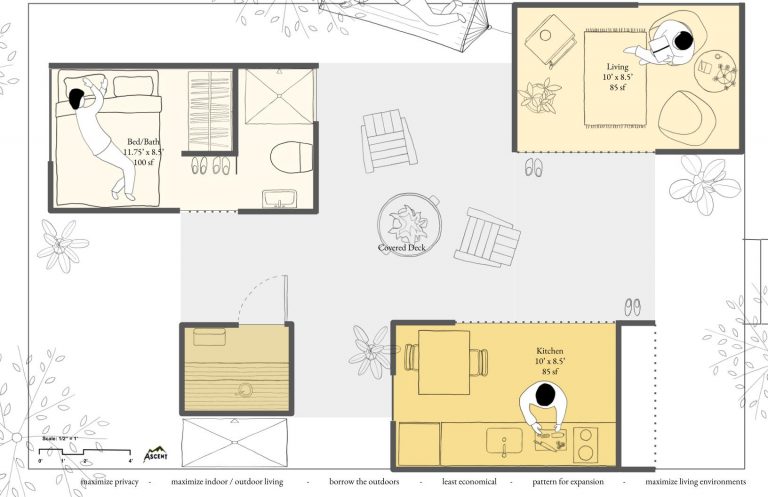
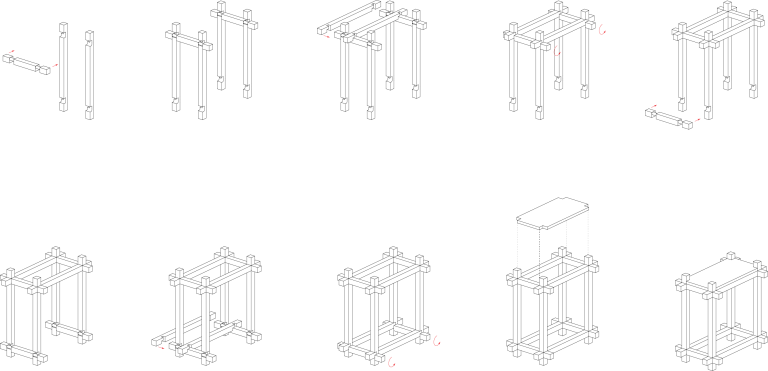
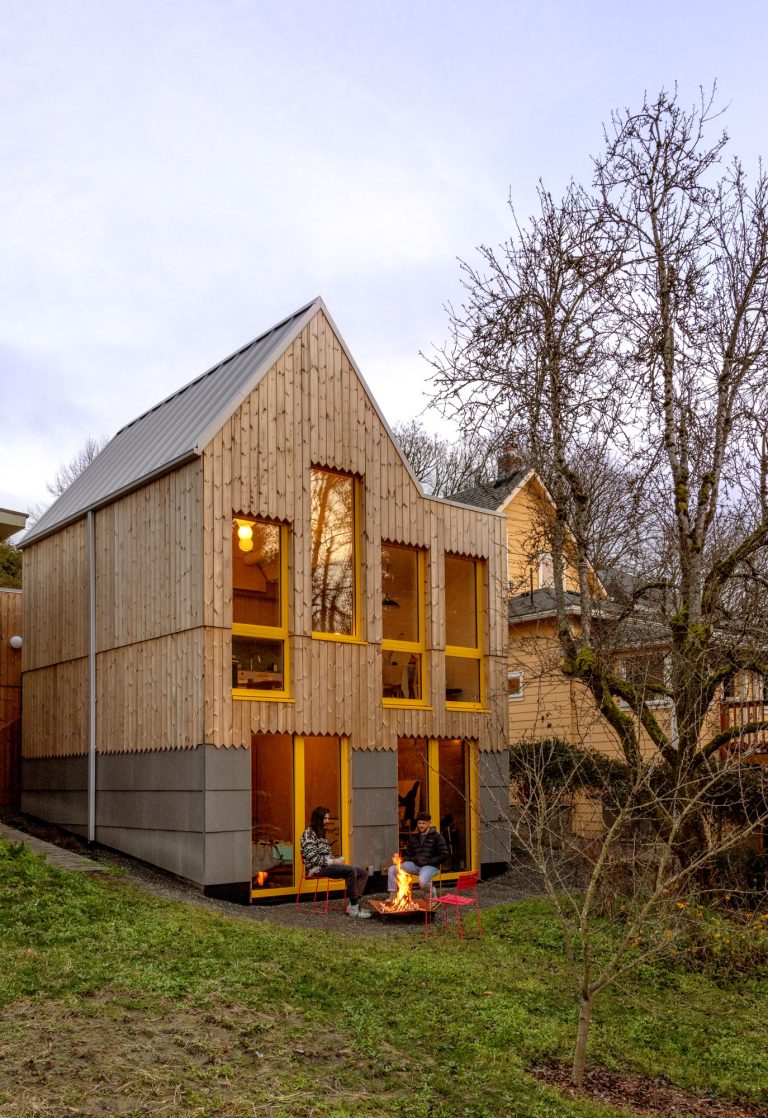
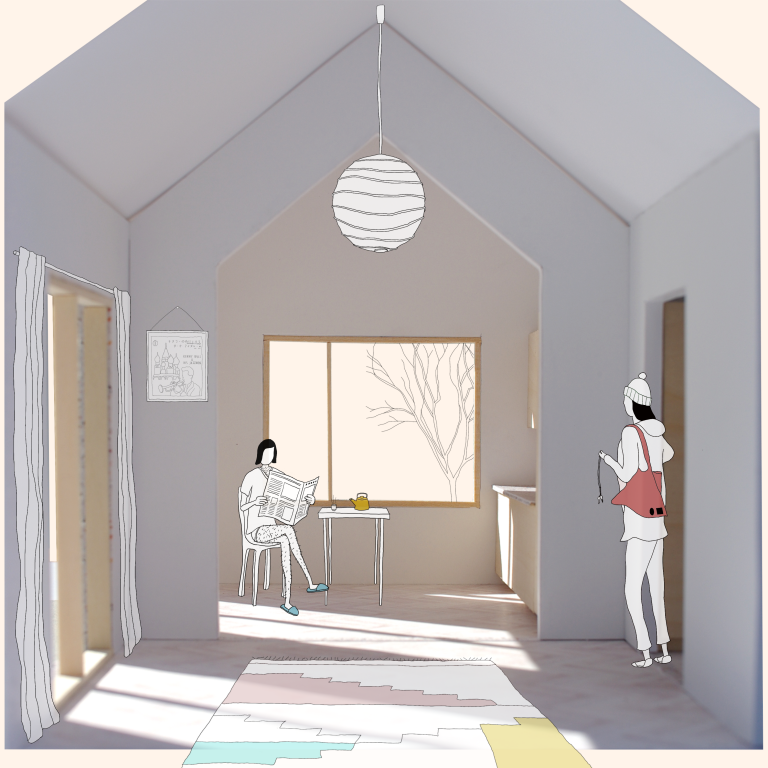
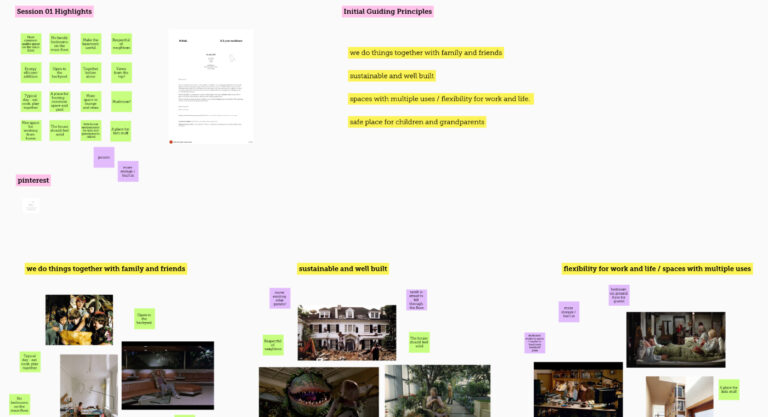
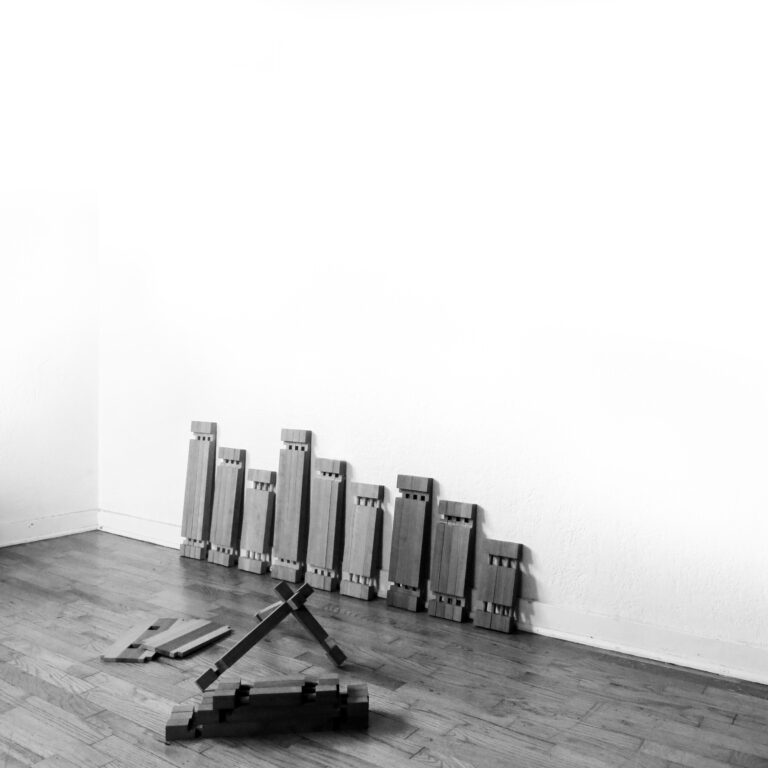
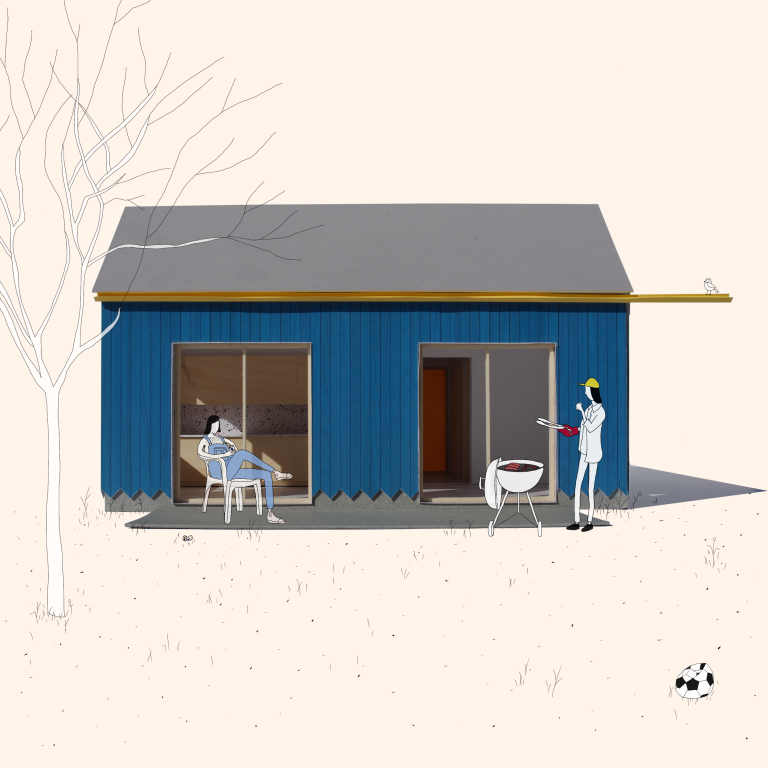
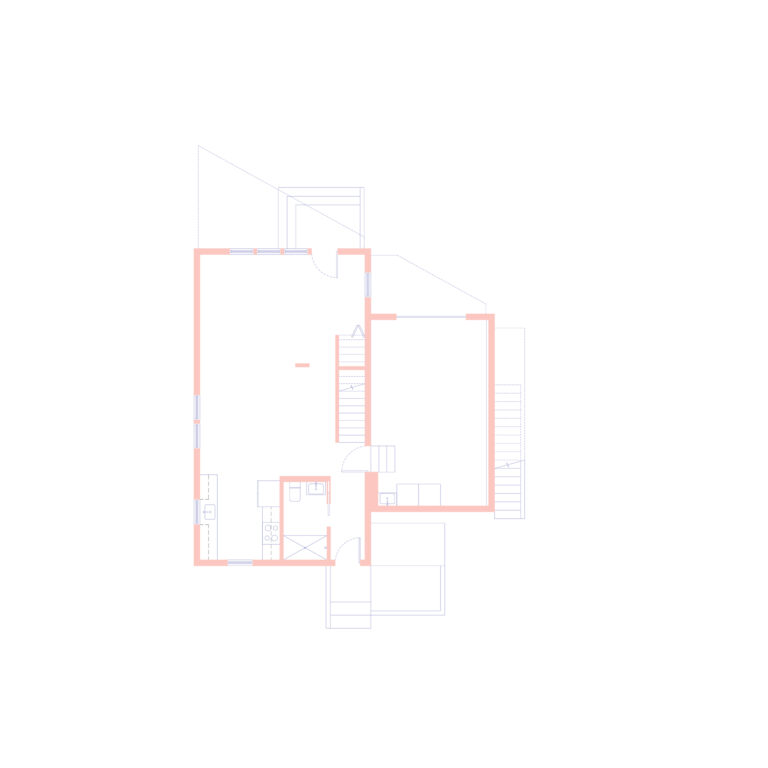
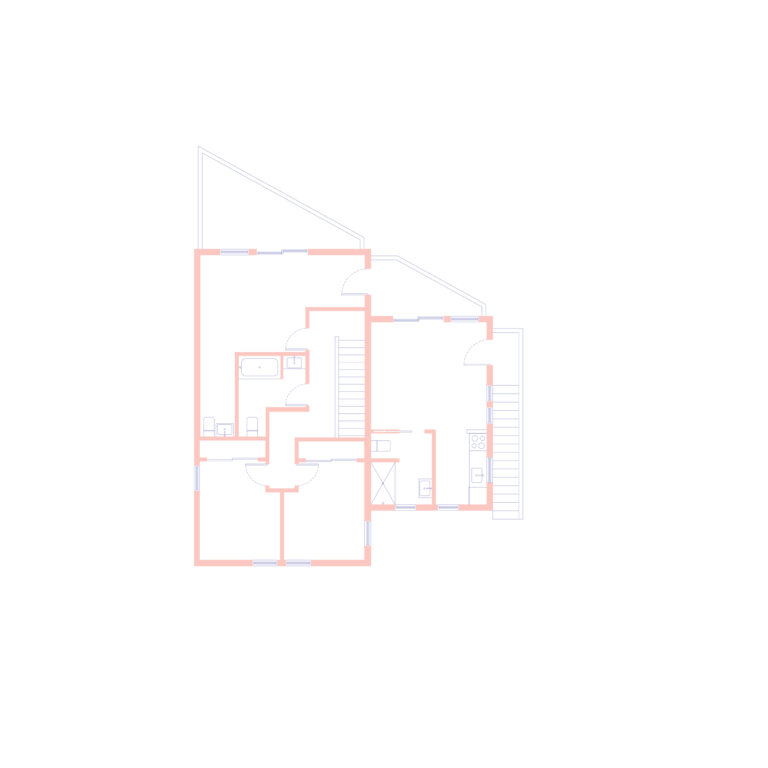
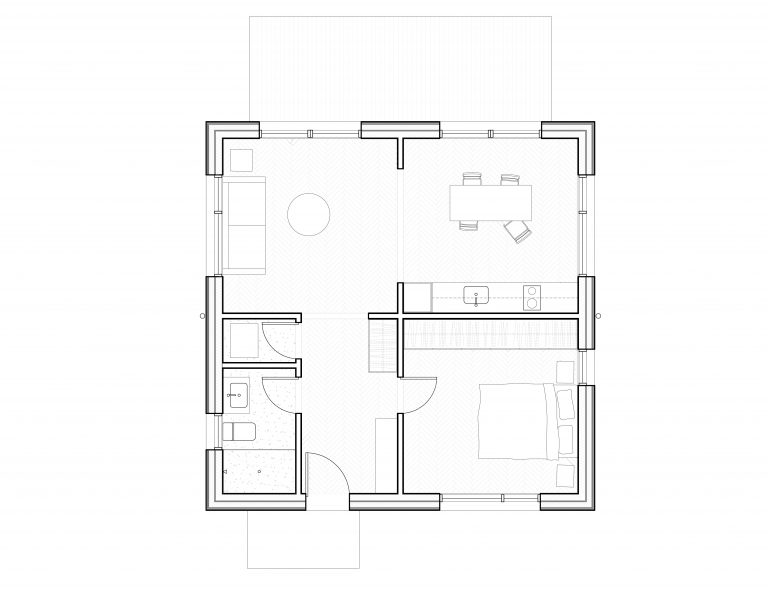
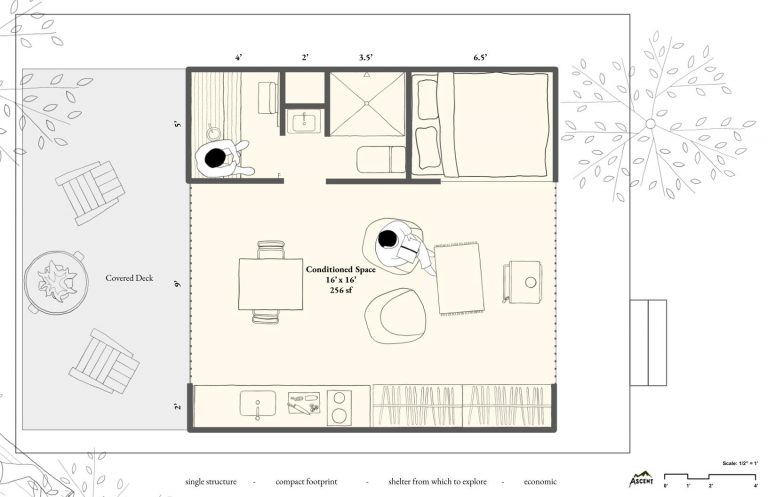
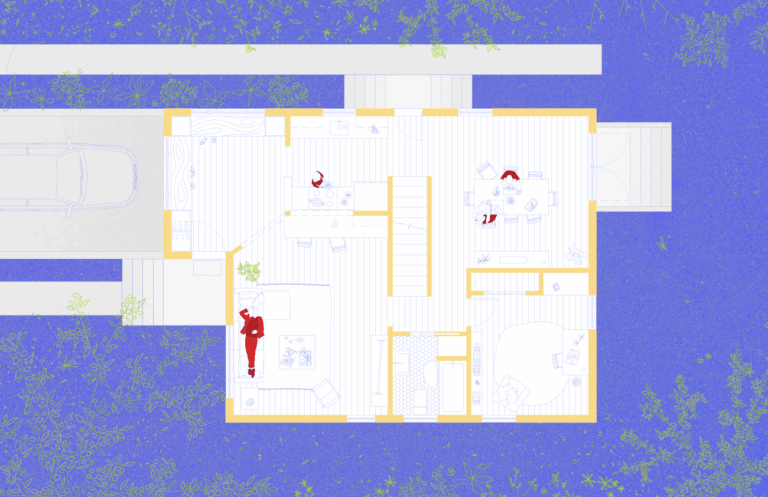
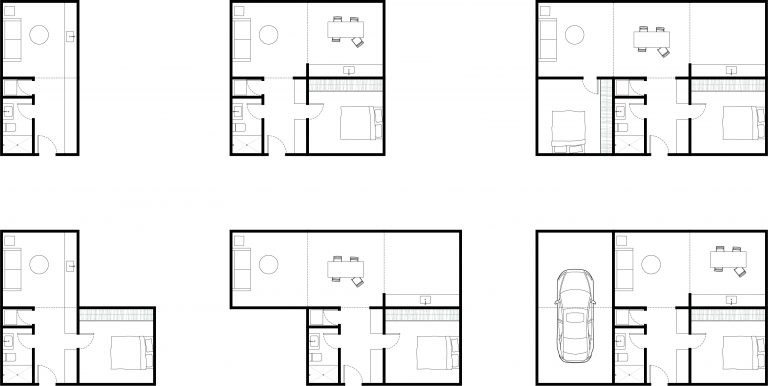
In an effort to increase housing availability and diversity, The City of Seattle created a pre-approved DADU program. To do so, it called upon designers to participate in a competition. In response to this theoretical, scalable, and efficient DADU solution, we propose a flexible strategy that employs six possible 12’x12’ square modules:

.empty square
.entry/bath
.living room
.dining room
.kitchen
.bedroom

The unique characteristics of each site, and owner’s goals dictate the mixture, combination, orientation, and quantity of each module. It’s tricky to design a siteless DADU so we designed the strategy and process instead.

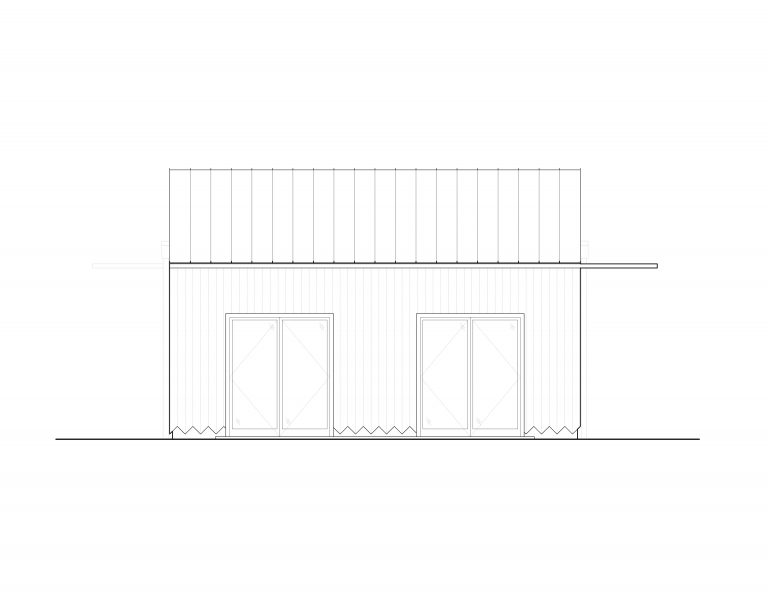
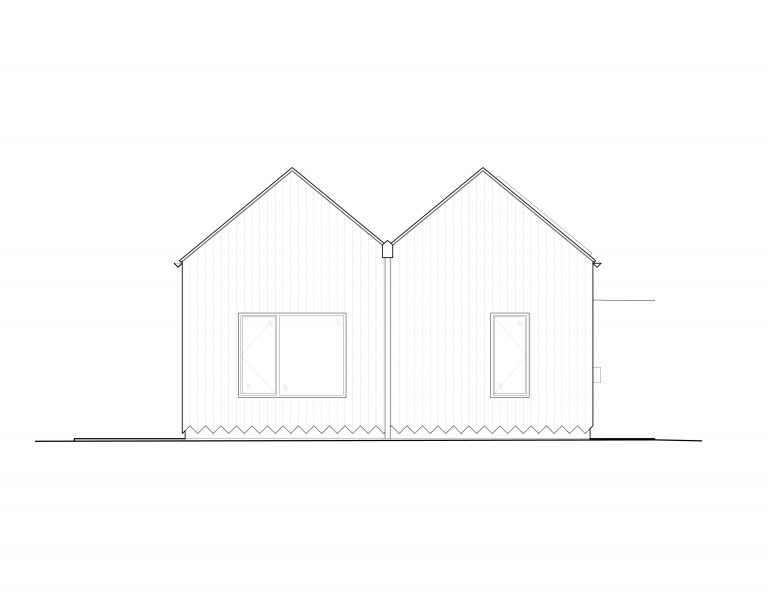
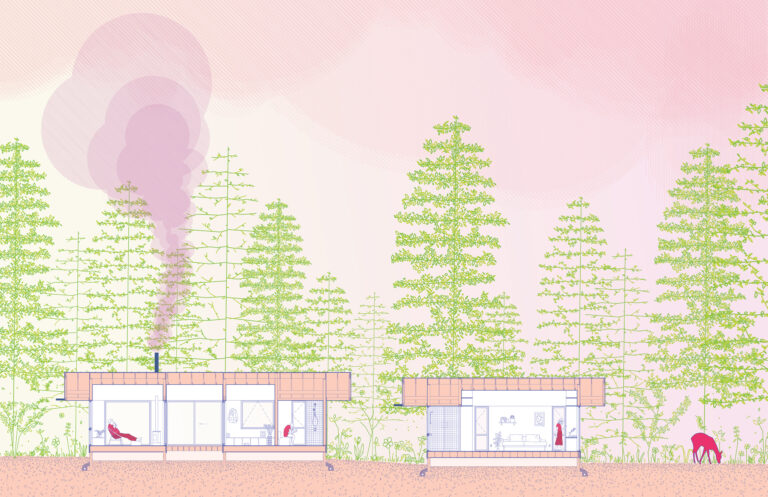
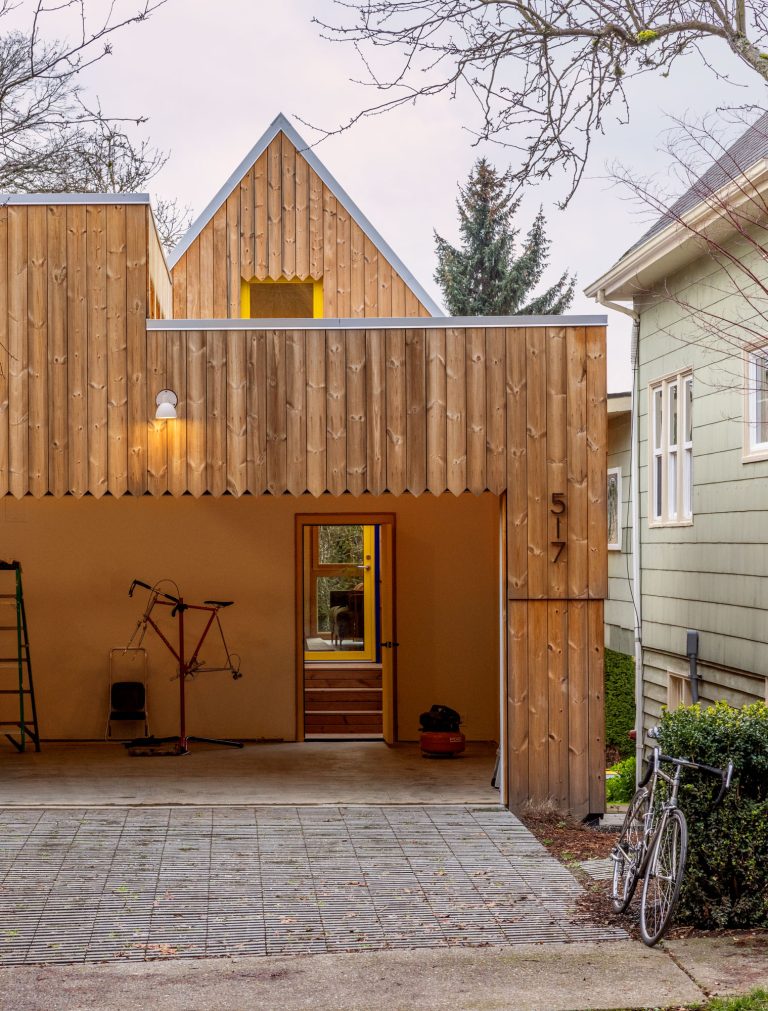
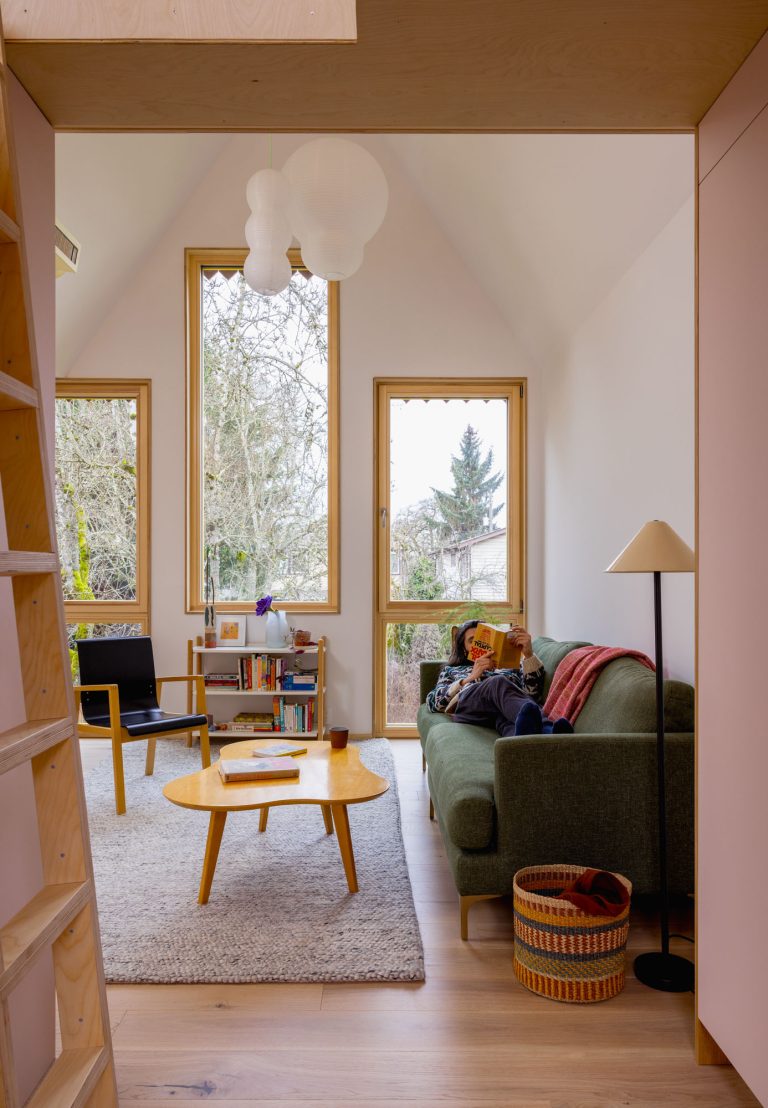
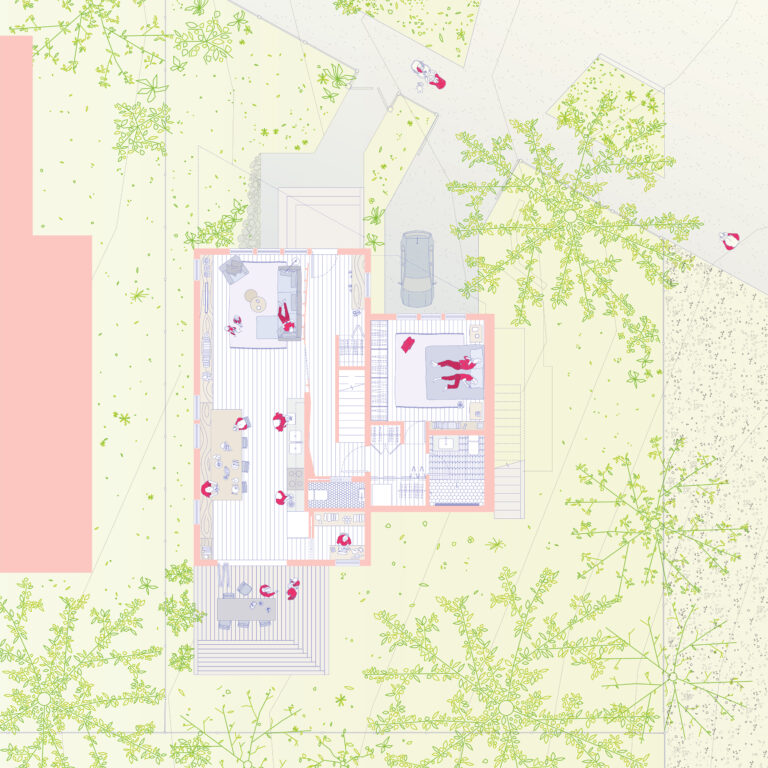
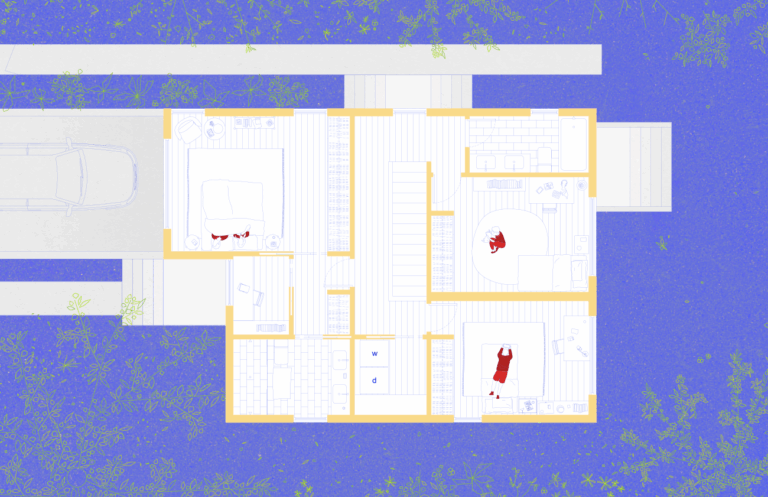
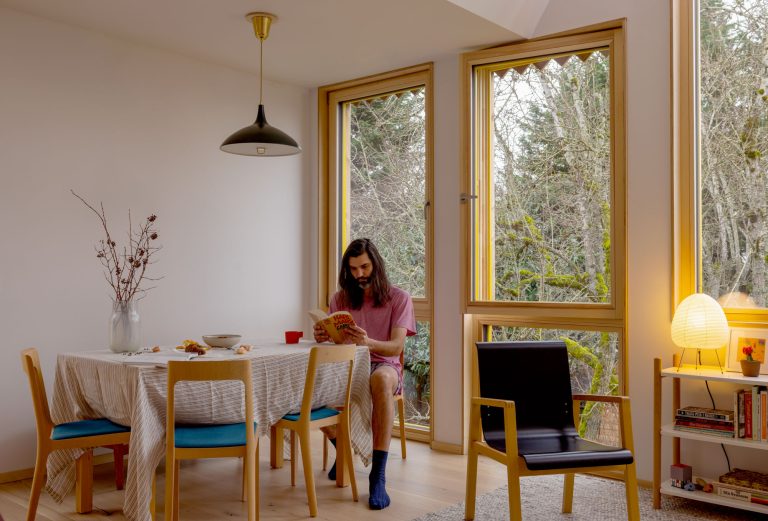
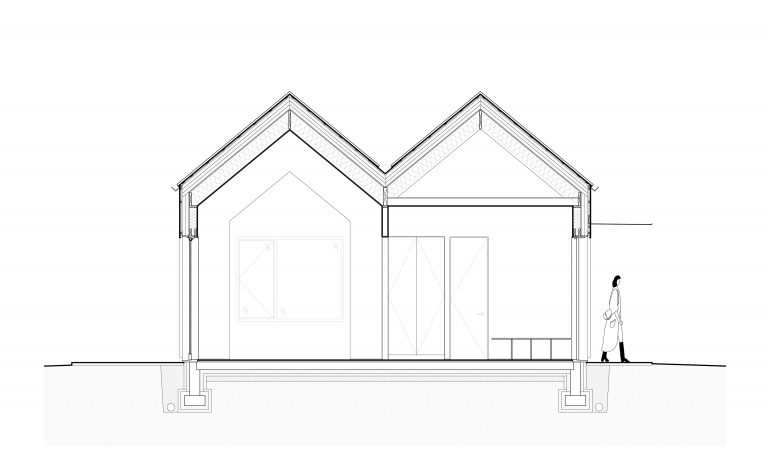
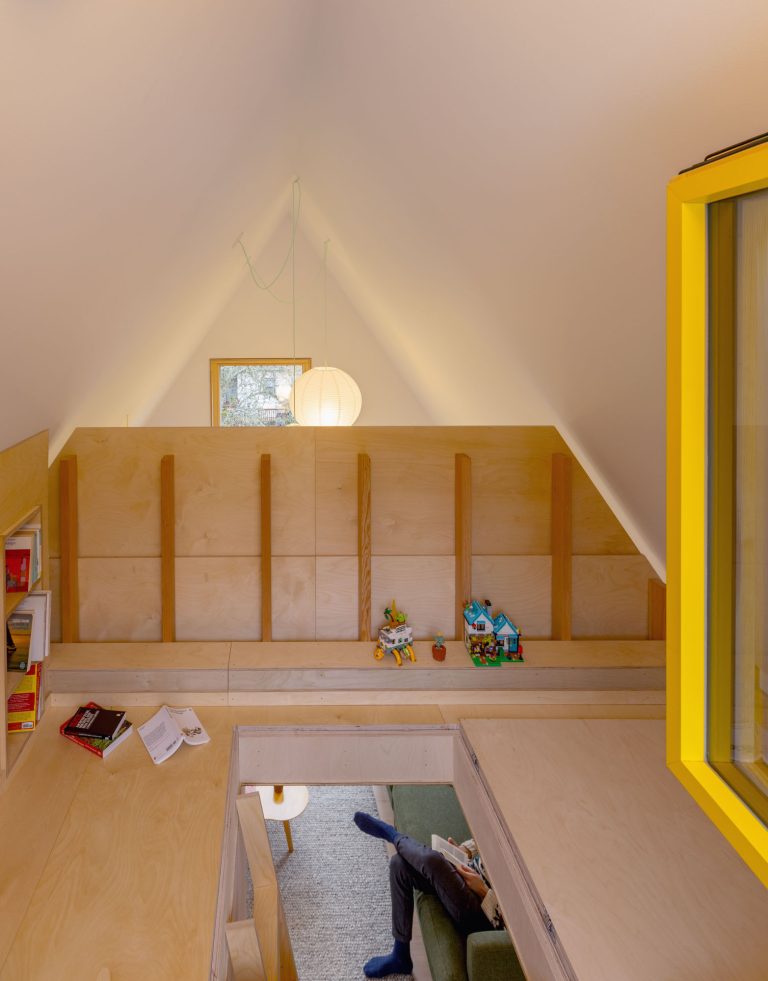
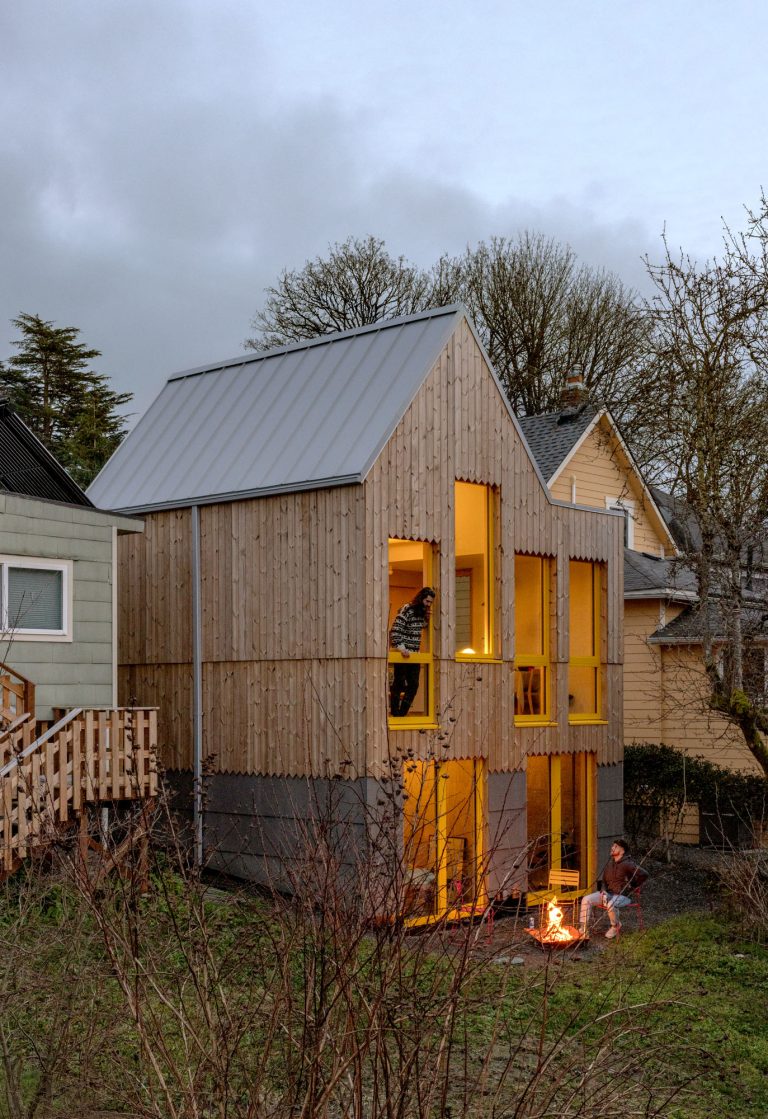
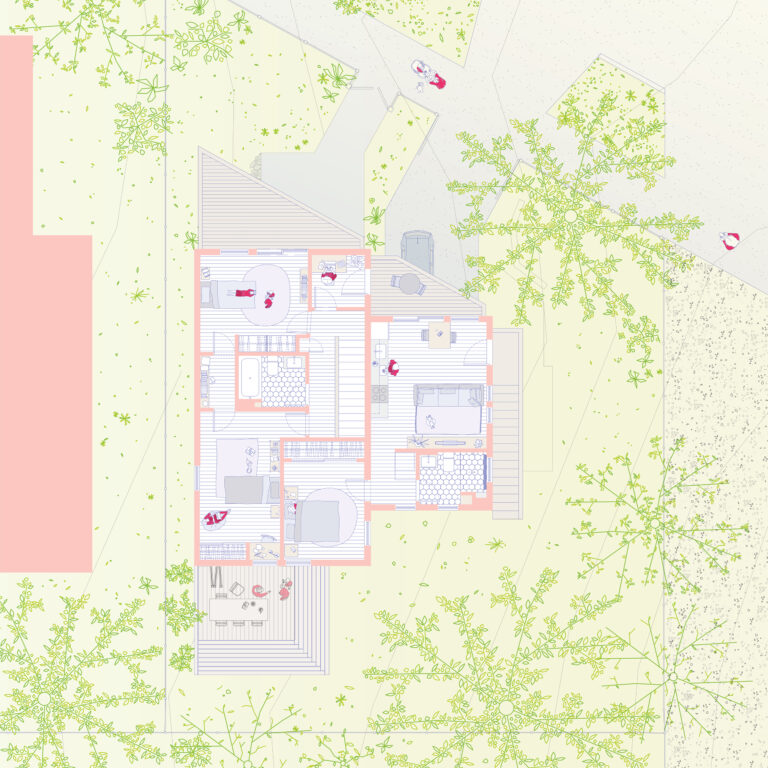
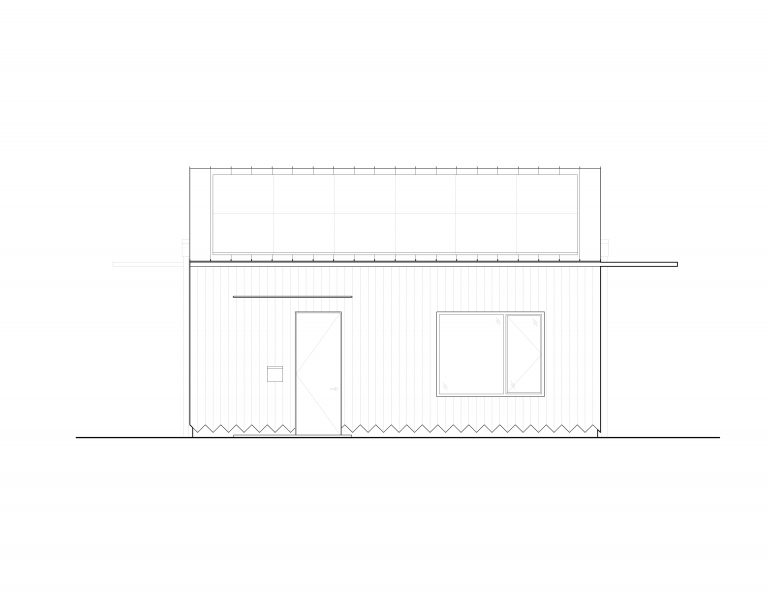
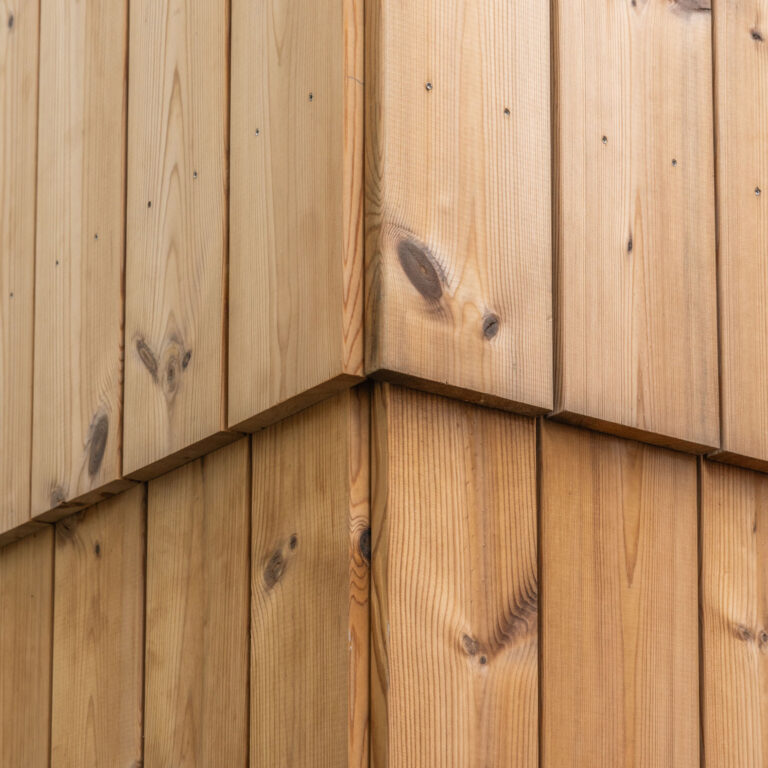
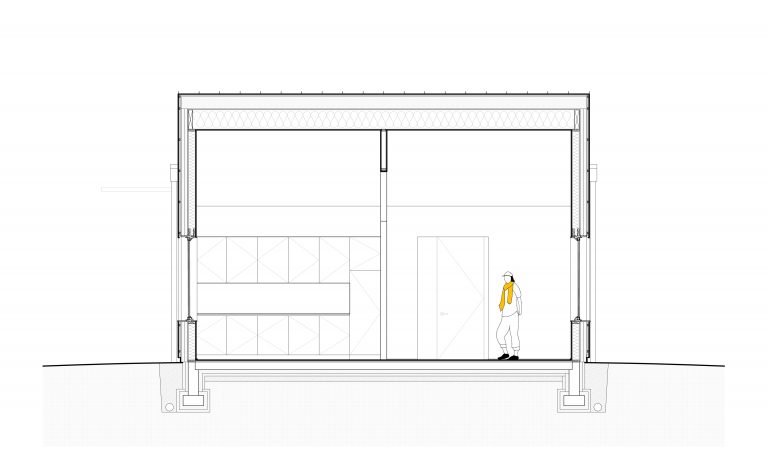
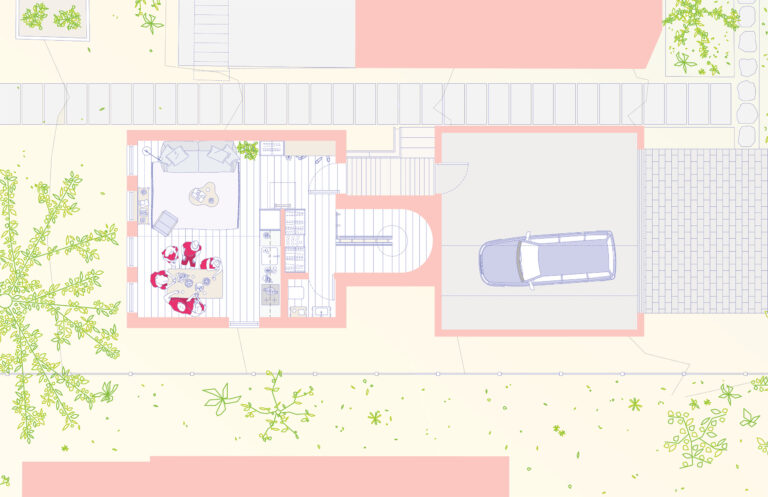
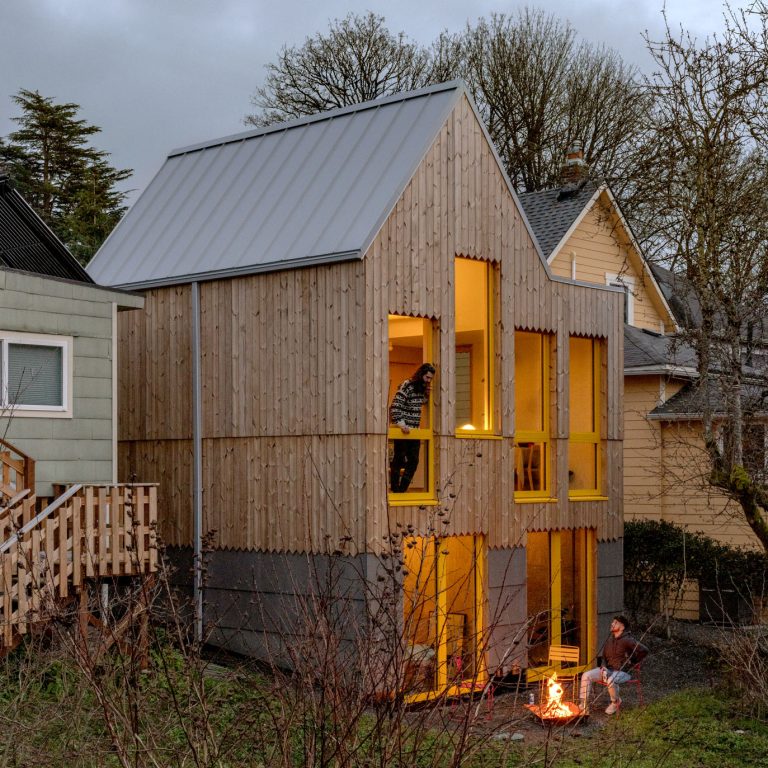
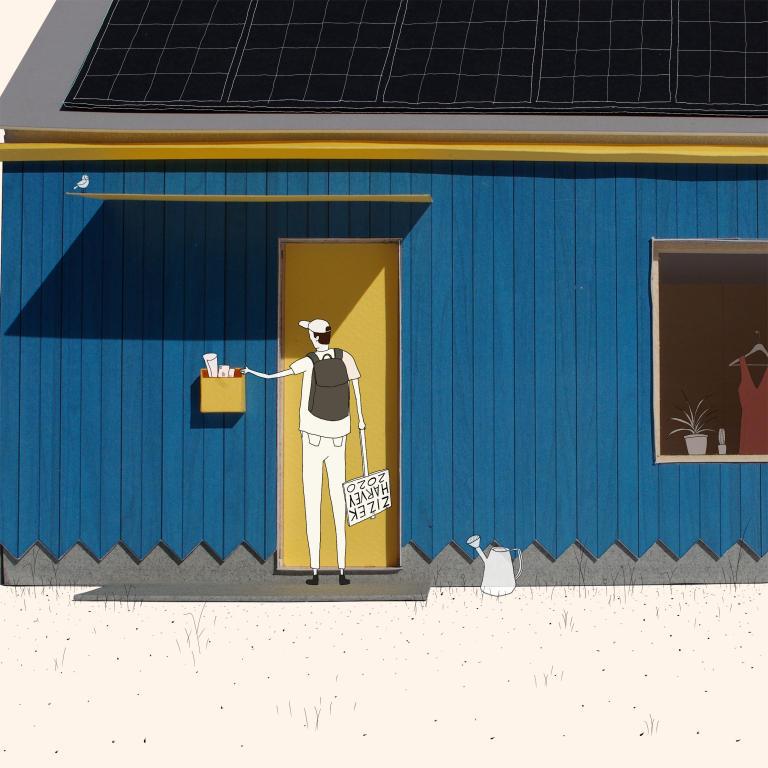
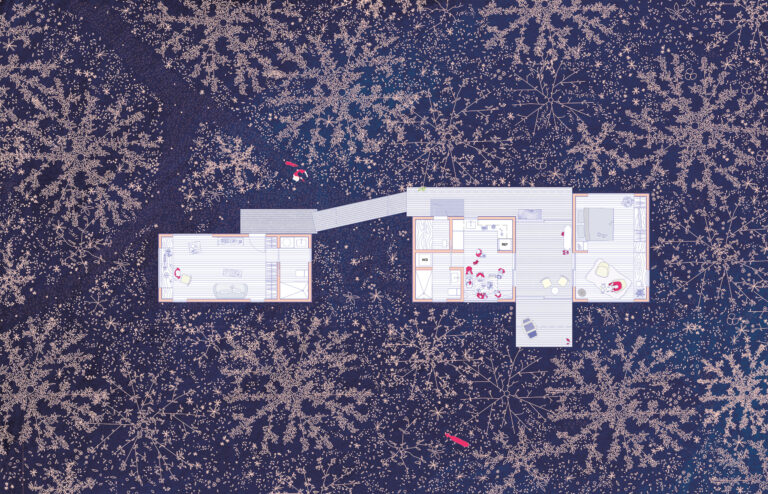
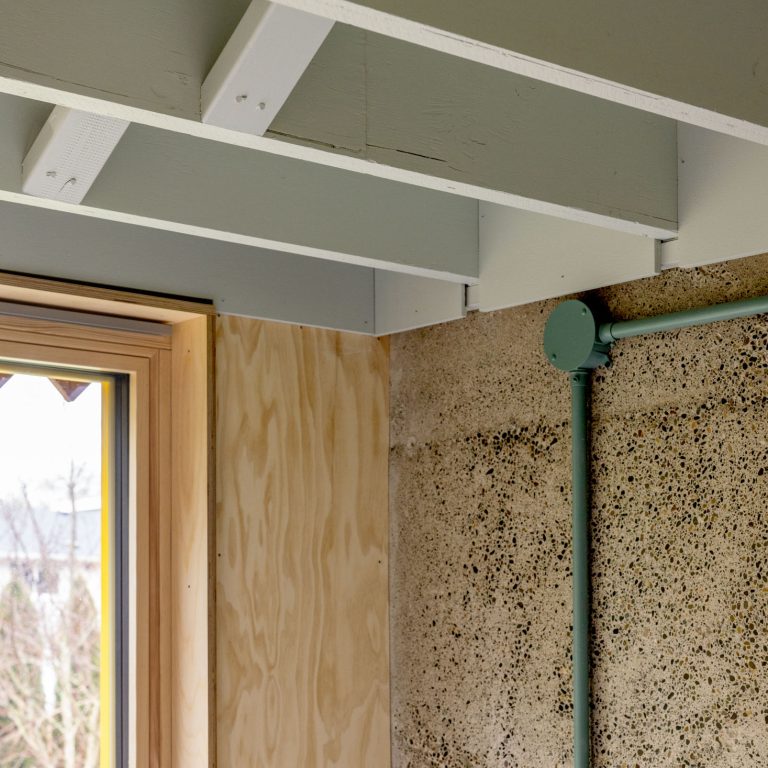
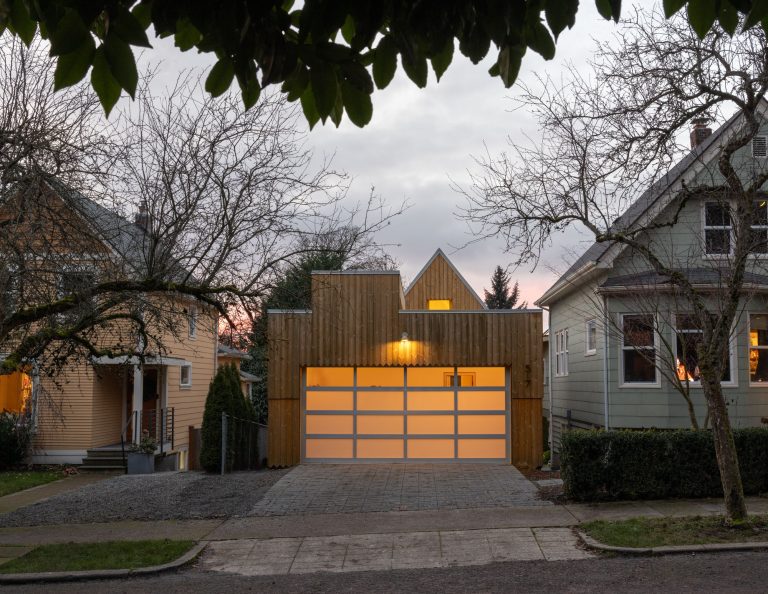
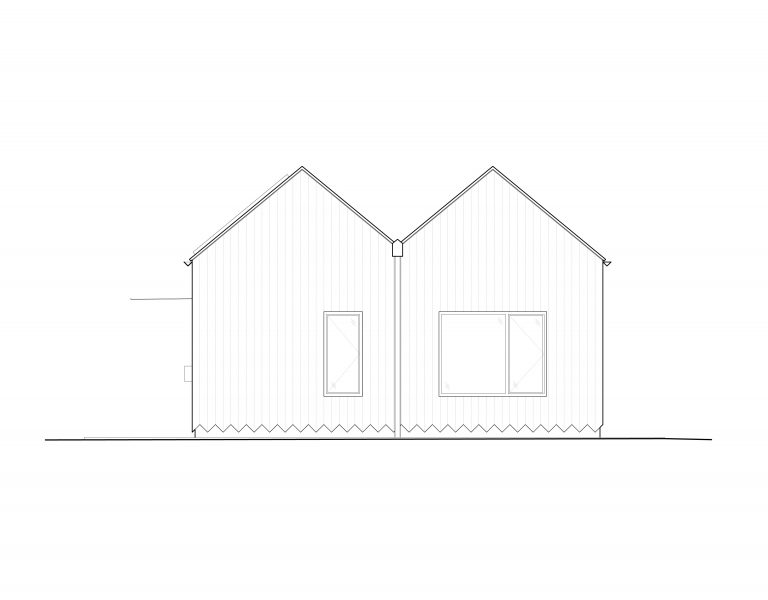
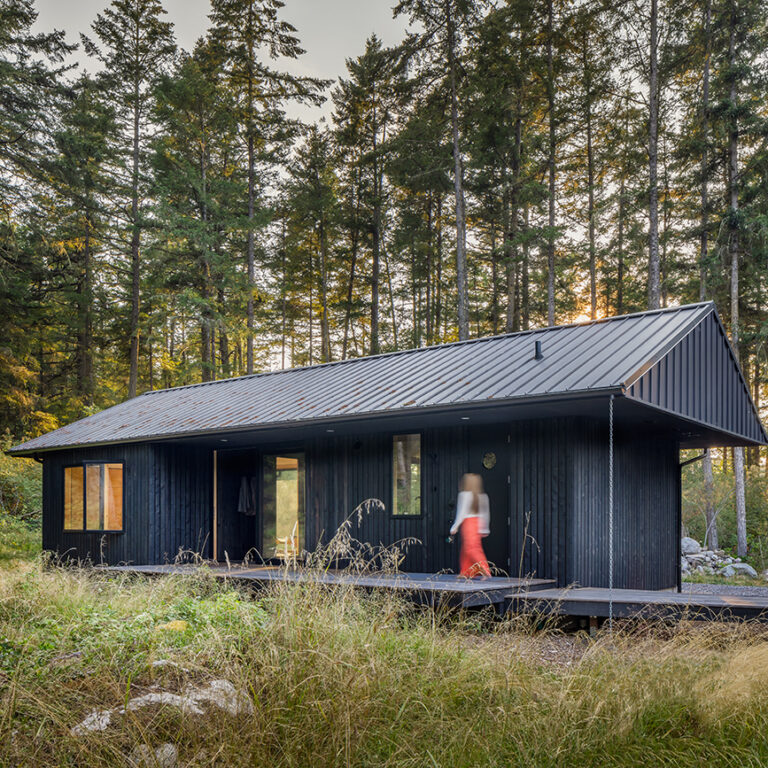
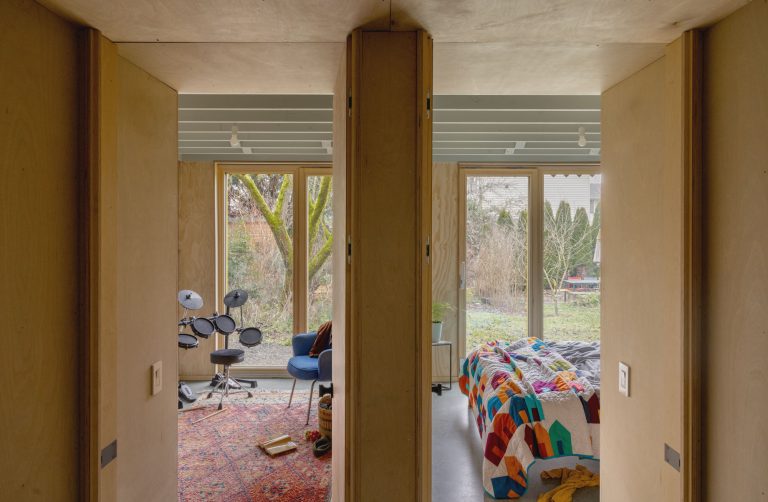
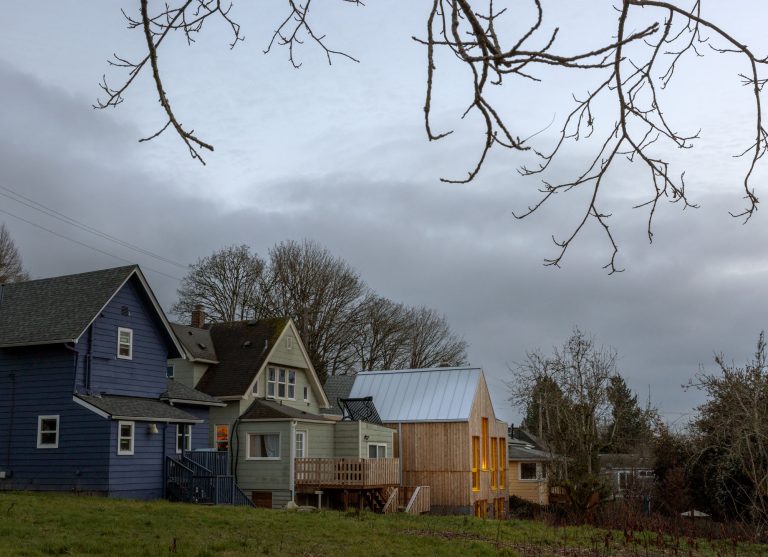
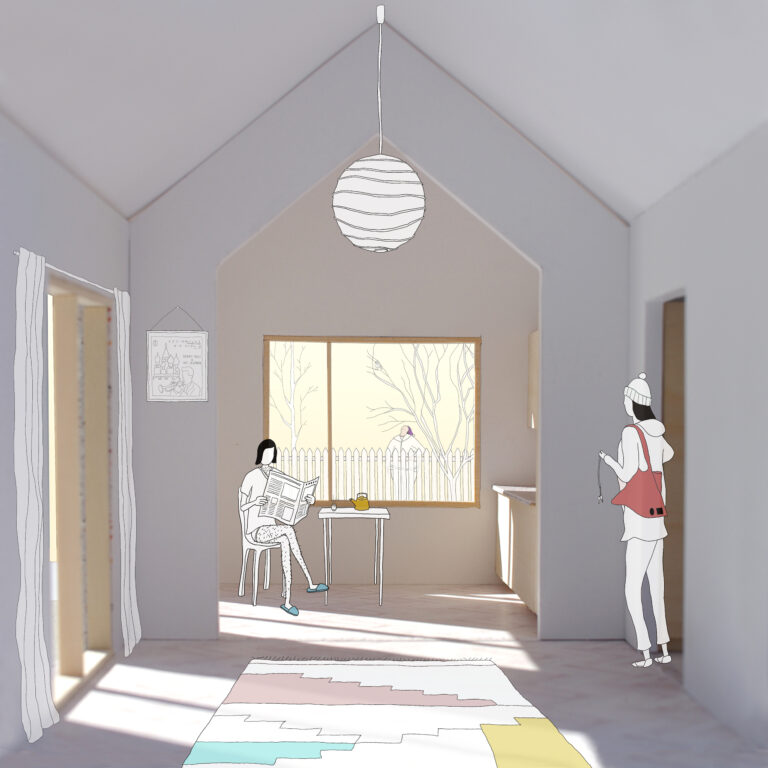
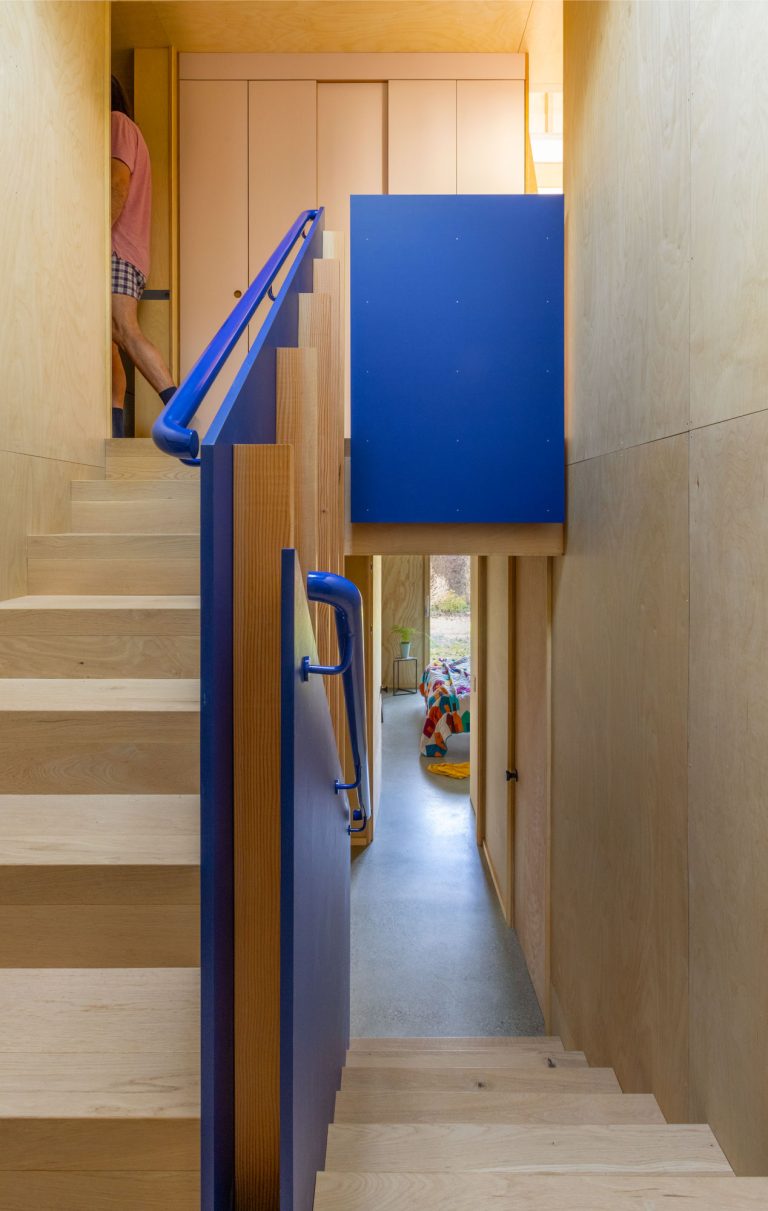
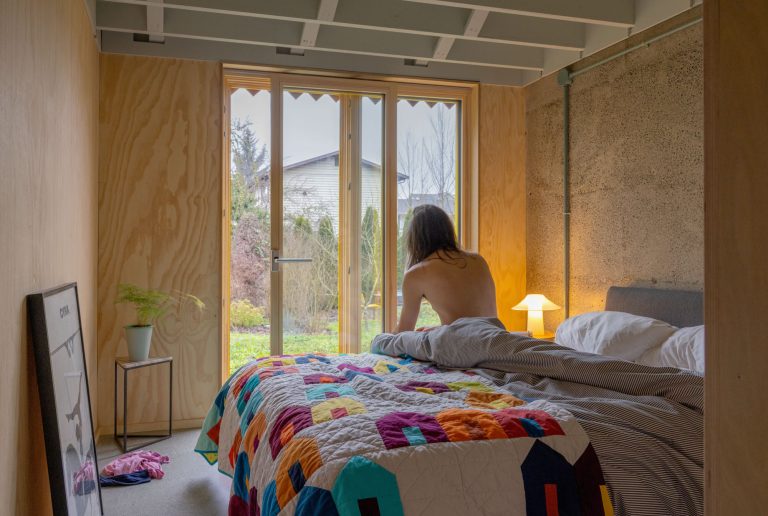
In this particular case, we apply the strategy through the use of four modules [entry/bath, living room, kitchen, and bedroom] deployed to form the Seattle Four Square. It is an accessible/visitable, single-story unit arranged in a compact square with a gabled roof. It draws inspirations from the American Foursquare, a style popularized in the 1890s to 1930s and often built on narrow lots with simple woodwork or from a mail-order catalog. Many examples can still be seen today in Seattle. The metal roofing and wood rain screen speak to our climate and the natural resources that surround us.

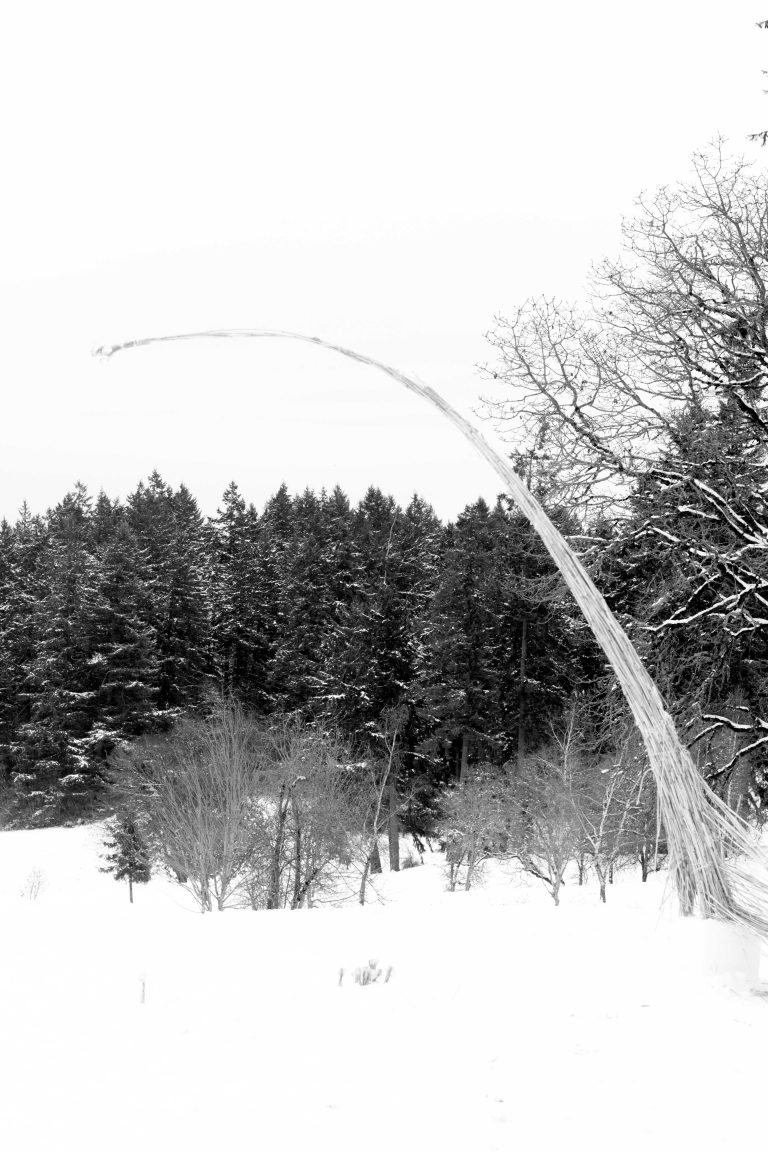
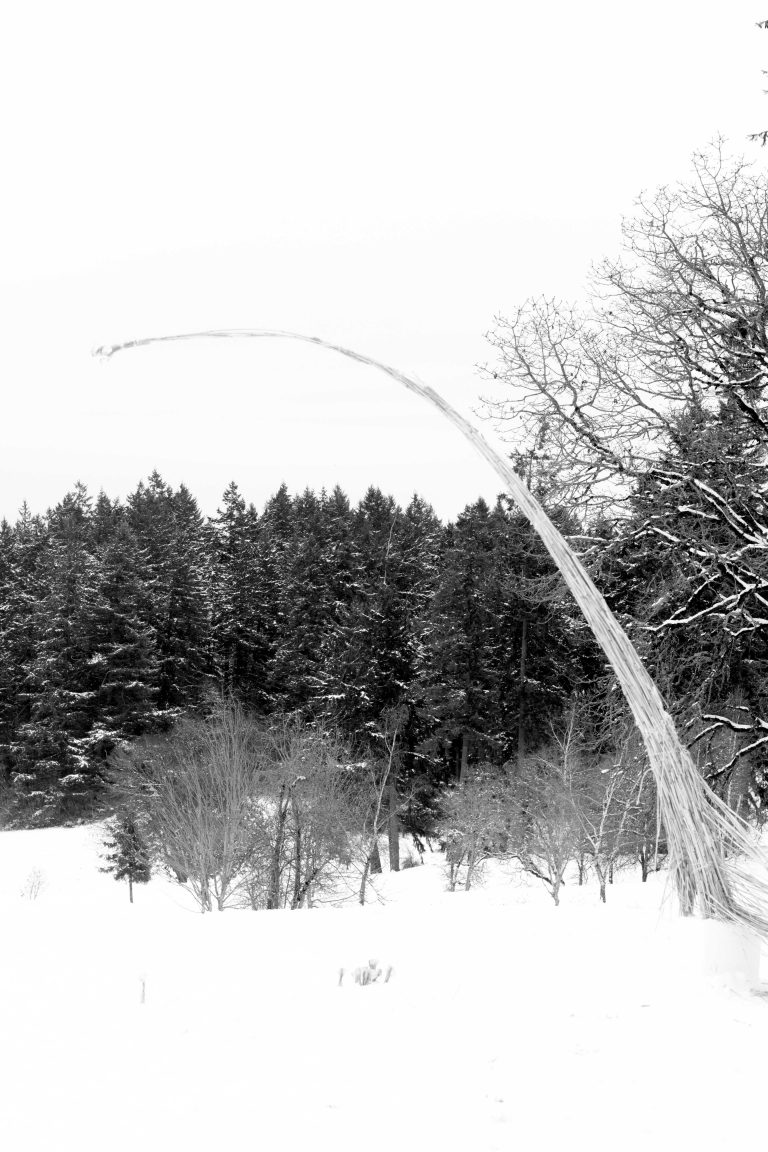
The wind was in charge. It changed the shape of the city for a little while.

By designing the strategy, we are also able to take the Seattle Four Square and modify it to fit other owner and site needs.

Remove two modules [bedroom and living room] and you are left with a small footprint DADU [two square].

Add one module [bedroom] and you find a family friendly DADU [five square].

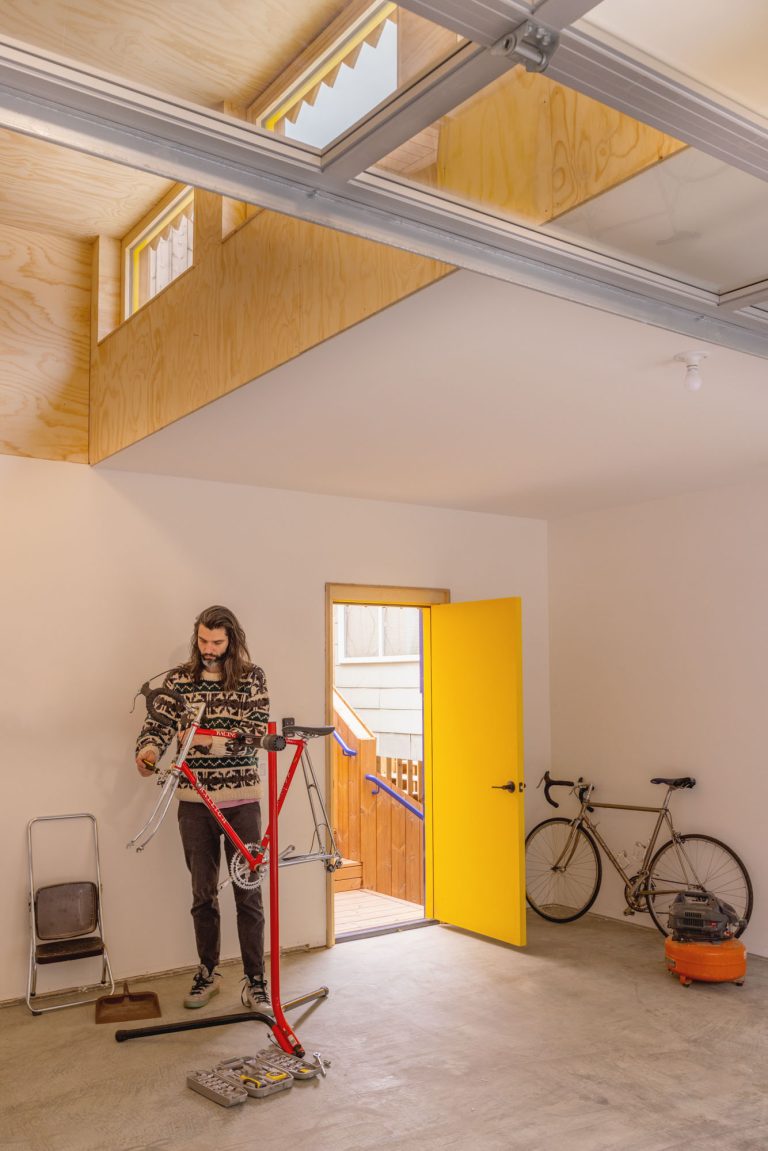
Add two modules [empty square, empty square] and there’s room for a car in a garage DADU [six square].

The system holds.

To continue with the flexible design strategy, the DADU has been proposed as a net-zero structure through a combination of compact form, high-performance wall assemblies, and a right-sized solar array. Along with affordability, we believe sustainability to be the most pressing consideration within our built environment.

It was messy. Like in a schoolyard, groups formed, there were races, some tried to escape, there were a few loud pops. No one cried.

How does that fit in the schedule?
Not great honestly. I don’t think we are gonna have time to clear the stage for all of that.
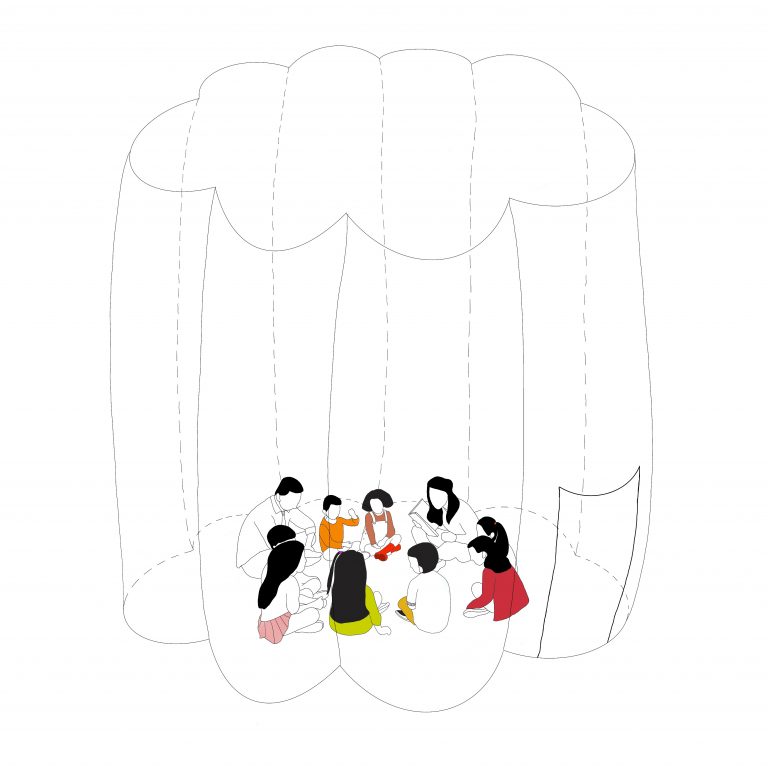
Hi, come in, come in! You can join us.
Oh, we didn’t mean to interrupt. We just wanted to see what was in here.
Oh no, you are not interrupting. Everyone is welcome to join. We were talking about the Jazz festival, and what the Lab can do during that time?
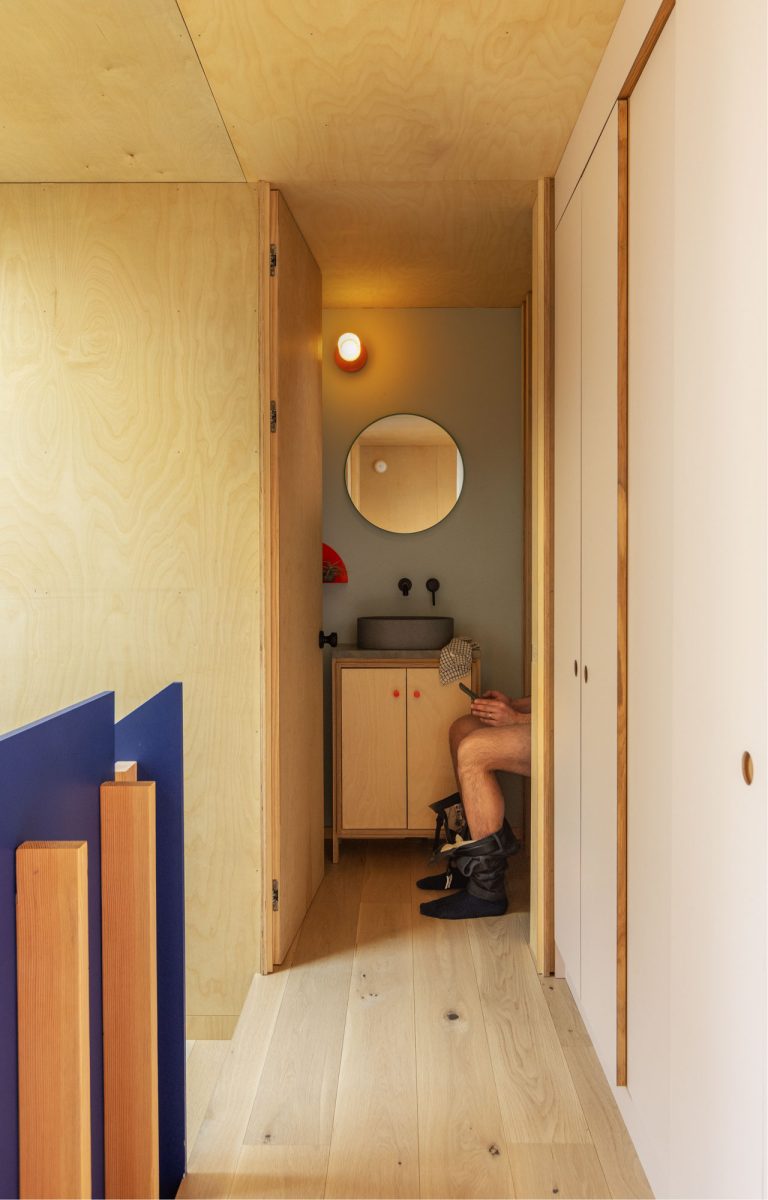
Is the bathroom part of the lab? That was a very interesting experience.